New blood test can predict onset of Huntington s disease
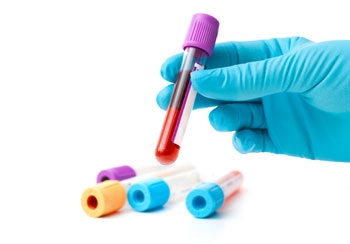
London June 8 (IANS) In a first a blood test that can predict the onset and track progression of Huntington s disease has been developed.
The finding may help identify new treatments for the genetic brain disorder which is fatal and currently incurable.
Huntington s disease is an inherited condition in which nerve cells in the brain break down over time.
The study showed that measuring the levels of neurofilament -- a protein released from damaged brain cells -- may help predict the onset of the disease as well as its progression.
This is the first time a potential blood biomarker has been identified to track Huntington s disease so strongly said Edward Wild from the University College London.
The results showed that the patients who were carriers of the genetic mutation of the disease had neurofilament concentrations that were 2.6 times that of the control participants.
Further the level rose throughout the disease course from premanifest to stage 2 disease the researchers said.
Neurofilament has the potential to serve as a speedometer in Huntington s disease since a single blood test reflects how quickly the brain is changing Wild added.
For the study published in the journal Lancet Neurology the team measured neurofilament levels in blood samples from 366 volunteers who were followed for three years.
In the group who had no symptoms at the start of the study the level of neurofilament predicted subsequent disease onset as volunteers with high neurofilament levels in the blood at the start were more likely to develop symptoms in the following three years.
Scientists are presently in the process of testing a new generation of so-called gene silencing drugs that may put brakes on the disease.
Measuring neurofilament levels could help us figure out whether those brakes are working Wild noted.
--IANS
rt/pgh/dg