Brain activity buffers against worsening anxiety
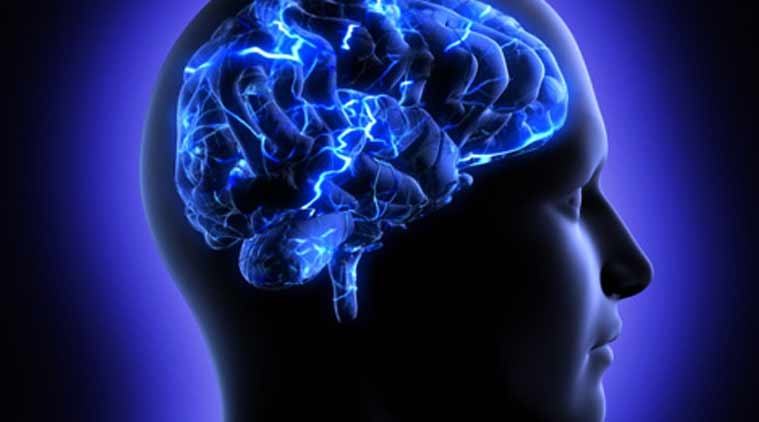
New York Nov 19 (IANS) Researchers have found that boosting activity in the brain s areas related to thinking and problem-solving may also buffer against worsening anxiety.
Using non-invasive brain imaging the researchers found that people at risk of anxiety were less likely to develop the disorder if they had higher activity in a brain region responsible for complex mental operations. "These findings help reinforce a strategy whereby individuals may be able to improve their emotional functioning -- their mood anxiety experience of depression -- not only by directly addressing those phenomena but also by indirectly improving their general cognitive functioning " said Ahmad Hariri Professor at the Duke University in North Carolina US. For the study published in the journal Cerebral Cortex researchers investigated undergraduate students whether higher activity in a brain region called dorsolateral prefrontal cortex could help shield these at-risk individuals from future mental illness. Each participant completed a series of mental health questionnaires and underwent a type of non-invasive brain scan called functional Magnetic Resonance Imaging (fMRI) while engaged in tasks meant to activate specific regions of the brain. The researchers asked each participant to answer simple memory-based maths problems to stimulate the dorsolateral prefrontal cortex. Participants also viewed angry or scared faces to activate a region of the brain called the amygdala and played a reward-based guessing game to stimulate activity in the brain s ventral striatum. By comparing participants mental health assessments at the time of the brain scans and in a follow-up on an average seven months later the researcher found that these at-risk individuals were less likely to develop anxiety if they also had high activity in the dorsolateral prefrontal cortex. "We found that if you have a more functioning dorsolateral prefrontal cortex the imbalance in these deeper brain structures is not expressed as changes in mood or anxiety " Hariri noted. --IANS vc/tsb/bg