Maternal exposure to plastic chemical may up kids asthma risk
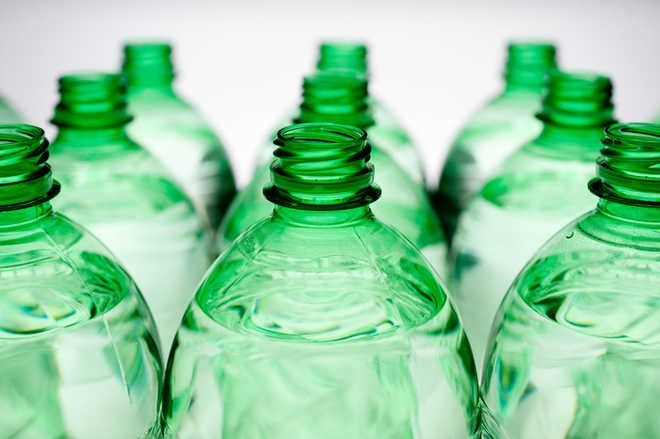
London May 5 (IANS) Maternal exposure to chemicals used to soften and increase the flexibility of plastic during pregnancy and breastfeeding may increase the risk of children developing allergic asthma a study shows.
The chemical -- called phthalates -- can enter our bodies through the skin foodstuffs or respiration. It has also been well-known to affect the hormone system and can thereby have an adverse effect on our metabolism or fertility.
The results of our study demonstrate that phthalates also interfere with the immune system and can significantly increase the risk of developing allergies said Tobias Polte environmental immunologist at Helmholtz University in Germany.
For the study appearing in the Journal of Allergy and Clinical Immunology the team examined the urine of pregnant women and their influence on the newborn-allergy-risk.
There was a clearly discernible relationship between higher concentrations of the metabolite of benzylbutylphthalate (BBP) in the mother s urine and the presence of allergic asthma in their children added Irina Lehmann from Helmholtz Centre for Environmental Research - UFZ.
The results were also confirmed in a mouse model.
Mice were exposed to a certain phthalate concentration during pregnancy and the lactation period which led to comparable concentrations of the BBP metabolite in urine to those observed in heavily exposed mothers.
The offspring demonstrated a clear tendency to develop allergic asthma even the third generation continued to be affected.
The time factor is therefore decisive: if the organism is exposed to phthalates during the early stages of development this may have effects on the risk of illness for the two subsequent generations. The prenatal development process is thus clearly altered by the phthalate exposure Polte explained.
--IANS
rt/ruwa/vm