India doesn t walk the talk on human rights: Amnesty
Geneva/New Delhi May 5 (IANS) Welcoming the recommendations made to India during the Universal Periodic Review (UPR) Amnesty International on Friday said that this reflects the concerns it has raised previously and India needs to urgently tackle them.
Some of the key recommendations made at the UPR include criminalising marital rape ending discrimination against LGBTI people amending laws stifling civil society organisations checking excessive use of force by security forces and outlawing torture and enforced disappearances said Raghu Menon Advocacy Manager at Amnesty International India in a statement.
Accusing the Indian government of ignoring the recommendations Menon said: Unfortunately India has often committed to acting on recommendations in the past and then done next to nothing.
The government should accept these recommendations and take them far more seriously this time he added.
In his closing statement at the UPR Attorney General Mukul Rohatgi on Friday said that India is conscious of the responsibilities vested in us by the 1 250 million people and humbled by their faith in us to deliver to them basic services and a life not just of prosperity but of dignity and pride.
Calling the Indian claim of enough safeguards against human right in the Armed Forces Special Powers Act as disappointing Amnesty said that India is ignoring the impunity that this law has enabled.
The statement also called the Indian claim of no racism against people of African descent as bizarre and smacking of denial and defensiveness.
India should instead reflect on the recommendations made and commit to tackling important human rights challenges it added.
The UPR is a process that involves a review of the human rights records of all UN member-states. It is a state-driven process under the auspices of the UNHRC which provides the opportunity for each state to declare what actions have been taken to improve the human rights situations in their countries and to fulfil their human rights obligations.
The UPR was created through the UN General Assembly on March 15 2006 by Resolution 60/251 which established the UNHRC itself.
India s first UPR was reviewed in 2008 and the second in 2012.
In his opening statement on Thursday Rohatgi said that India protects the rights of vulnerable groups and is strengthening laws for their protection and welfare.
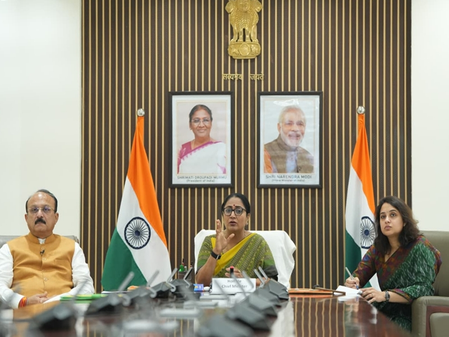
Rohatgi is leading the Indian delegation which also comprises Ruchi Ghanashyam Secretary (West) in the External Affairs Ministry P.S. Patwalia Additional Solicitor General of India and senior officials from the External Affairs Home Women and Child Development Social Justice and Empowerment Minority Affairs Rural Development Ministries and NITI Aayog.
--IANS
rs/nir/bg