New 3-in-1 blood test to aid precision prostate cancer therapy
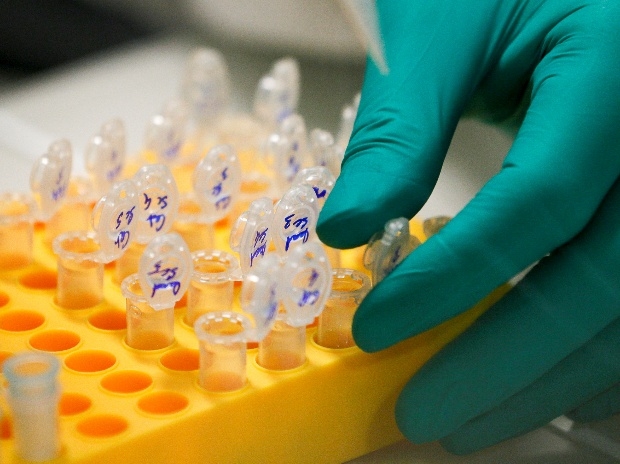
London June 19 (IANS) Opening the door to precision medicine for prostate cancer researchers have developed a three-in-one blood test that could tell which men would benefit from a class of new drugs detect early signs of resistance and monitor cancer s evolution over time.
The test could be used to know within a month or two whether the drug is working on a patient. It could help to extend or save lives by targetting treatment more effectively while also reducing the side-effects of treatment and ensuring patients do not receive drugs that are unlikely to do them any good.
Not only could the test have a major impact on treatment of prostate cancer but it could also be adapted to open up the possibility of precision medicine to patients with other types of cancer as well said Johann de Bono Professor at The Institute of Cancer Research London.
By testing cancer DNA in the bloodstream researchers found they could pick out which men with advanced prostate cancer were likely to benefit from treatment with a class of new drugs called PARP inhibitors.
They also used the test to analyse DNA in the blood after treatment had started so people who were not responding could be identified and switched to alternative therapy in as little as four to eight weeks.
And finally they used the test to monitor a patient s blood throughout treatment quickly picking up signs that the cancer was evolving genetically and might be becoming resistant to the drugs.
It is the first test developed for a precision prostate cancer therapy targeted at specific genetic faults within tumours according to the researchers.
It could in future allow the PARP inhibitor olaparib to become a standard treatment for advanced prostate cancer by targeting the drug at the men most likely to benefit.
The study published in the journal Cancer Discovery also identified which genetic mutations prostate cancers use to resist treatment with olaparib.
Our study identifies for the first time genetic changes that allow prostate cancer cells to become resistant to the precision medicine olaparib de Bono said.
From these findings we were able to develop a powerful three-in-one test that could in future be used to help doctors select treatment check whether it is working and monitor the cancer in the longer term. We think it could be used to make clinical decisions about whether a PARP inhibitor is working within as little as four to eight weeks of starting therapy de Bono added.
--IANS
gb/vt