WHO control room in Cox s Bazar for health response to Rohingyas

Cox s Bazar (Bangladesh) Sep 22 (IANS) The World Health Organisation (WHO) has set up a control room here as part of the humanitarian health response to 422 000 Rohingyas residing in camps and settlements said a statement from the global body on Friday.
The control room will help strengthen disease surveillance systems and daily reporting of morbidity and mortality.
The WHO has already released its first tranche of emergency funding of $175 000 to provide lifesaving health care to the "vulnerable population" in Bangladesh s Cox s Bazar.
The WHO South-East Asia Regional Health Emergency Fund (SEARHEF) grant of $175 000 will support 20 mobile medical teams to provide essential services for at least two months. The grant is also being used to procure essential medicines and medical supplies to be distributed to pre-existing health facilities in Cox s Bazar area.
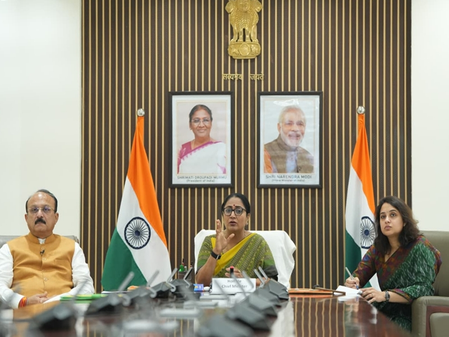
"It will enhance active monitoring of the health situation provide early warning alerts on outbreak-prone diseases and will allow improved and efficient coordination of various health actors on the ground " said N. Paranietharan WHO Representative to Bangladesh while inaugurating the control room.
Paranietharan said this system would help in management of health situation as the population was very mobile dispersed in 68 camps and undocumented. In general there is limited reliable data on the health profile of the newly-arrived population.
"The control room would also help in coordination of activities. There are a number of medical teams in the field some of them operated by different actors such as either public sector international organisations or NGOs making it difficult to coordinate and monitor overall health situation and services availability " said a statement from the WHO.
It added that the control room would receive daily information from all the medical teams irrespective of who operated them it would analyse the information and provide conclusive assessments to the public authorities to make informed decisions on further action.
--IANS
rup/nir/bg