Future of genetic engineering in humans
Sunday - July 22, 2018 8:55 am ,
Category : WTN SPECIAL
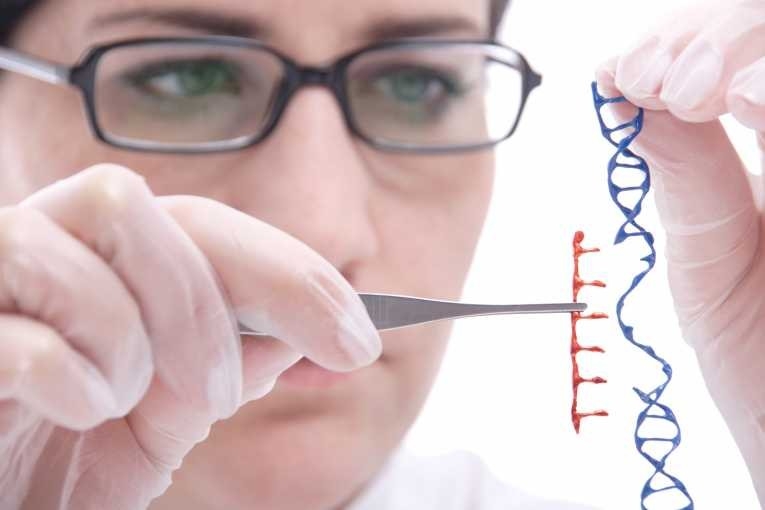
WTN- Genetic engineering or genetic modification of human cells for medical needs or lab experiments for research is not a new thing in the history of medical science.
In a limited scale and for specific purposes such induced alterations have often been done in the past, which has helped in identification and control of various genetic diseases in humans.
Plants and animals have often been subjected to such gene manipulation for enhancing their productivity or longevity etc. But what has raised concerns of the global scientific community is the unprecedented advances made in the field in the last few years which have made the exercise much more precise and have expanded its scope beyond what was expected.
Newer modifications are being carried out and more varied changes are being thought of in the human embryo or eggs to bring about deeper and more far-reaching changes which can decide the course of future humanity.
There are basically two types of gene editing or modification types in currency. One is the ‘somatic genetic modification’ while the other is ‘germline genetic modification.’ The former one is more temporary modification in the sense that it does not affect a person’s future generations but only the person himself whose cells are being altered. This is done especially for medical conditions and to mitigate the person’s health problem.
The other one called somatic modification is a more dangerous premise since it works at the embryonic level. Such alteration affects a person’s future generations and changes their genetic mapping.
This is a long-term change and cannot be reversed. It is this field that is fraught with legal and ethical implications and can have drastic consequences for the human race.
If used for enhancement purposes, it could open the door to a new market-based form of eugenics. Such modification has not yet been experimented on humans and has been legally banned in over 40 countries.
But that doesn’t prevent possibilities. There are countries like China who are not under the binding of any treaty and can go ahead with the germline experiments. Safe and predictable use of this experiment in altering the human genetic structure is doubtful and will always remain a grey area unless more developments and better technologies are in place.
Genetic modification for medical needs is alright which should not concern anyone, but what if such modifications are used for ‘enhancement’ or altering the genes for getting tailor-made or customized babies who can have all the attributes parents want them to have.
Such a venture would lead to great disparity in humans as those with the resources will have healthier and stronger babies while the deprived will perish. If such a race for genetic modification starts there has to be regulations and governance geared to handle the ethical and legal consequences.
Experts say that even serious discussions around these haven’t yet started and no one is very clear about the pros and cons since it is new development not much in the public domain for study and debate. The right or wrong of it will continue to spawn raging debates for decades before any conclusive bottom line can be drawn.
-Window To News
In a limited scale and for specific purposes such induced alterations have often been done in the past, which has helped in identification and control of various genetic diseases in humans.
Plants and animals have often been subjected to such gene manipulation for enhancing their productivity or longevity etc. But what has raised concerns of the global scientific community is the unprecedented advances made in the field in the last few years which have made the exercise much more precise and have expanded its scope beyond what was expected.
Newer modifications are being carried out and more varied changes are being thought of in the human embryo or eggs to bring about deeper and more far-reaching changes which can decide the course of future humanity.
There are basically two types of gene editing or modification types in currency. One is the ‘somatic genetic modification’ while the other is ‘germline genetic modification.’ The former one is more temporary modification in the sense that it does not affect a person’s future generations but only the person himself whose cells are being altered. This is done especially for medical conditions and to mitigate the person’s health problem.
The other one called somatic modification is a more dangerous premise since it works at the embryonic level. Such alteration affects a person’s future generations and changes their genetic mapping.
This is a long-term change and cannot be reversed. It is this field that is fraught with legal and ethical implications and can have drastic consequences for the human race.
If used for enhancement purposes, it could open the door to a new market-based form of eugenics. Such modification has not yet been experimented on humans and has been legally banned in over 40 countries.
But that doesn’t prevent possibilities. There are countries like China who are not under the binding of any treaty and can go ahead with the germline experiments. Safe and predictable use of this experiment in altering the human genetic structure is doubtful and will always remain a grey area unless more developments and better technologies are in place.
Genetic modification for medical needs is alright which should not concern anyone, but what if such modifications are used for ‘enhancement’ or altering the genes for getting tailor-made or customized babies who can have all the attributes parents want them to have.
Such a venture would lead to great disparity in humans as those with the resources will have healthier and stronger babies while the deprived will perish. If such a race for genetic modification starts there has to be regulations and governance geared to handle the ethical and legal consequences.
Experts say that even serious discussions around these haven’t yet started and no one is very clear about the pros and cons since it is new development not much in the public domain for study and debate. The right or wrong of it will continue to spawn raging debates for decades before any conclusive bottom line can be drawn.
-Window To News