‘Unified’ to defeat Modi!
Tuesday - July 31, 2018 2:42 pm ,
Category : WTN SPECIAL
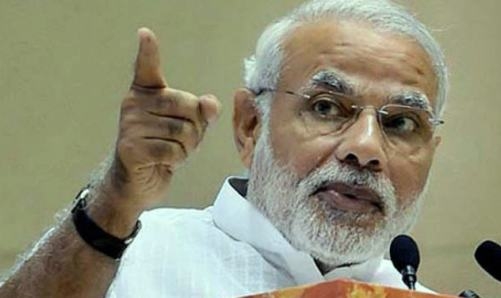
Potential ‘mega alliance’ to prevent Modi in 2019 Lok Sabha election
JULY 31 (WTN) - In the 2014 Lok Sabha election, the badly defeated opposition is busy in creating a 'strategy' to surround the BJP for the 2019 Lok Sabha election.The eyes of the opposition largest on UP, having maximum 80 seats. Following the victory of the opposition's unified candidate in Gorakhpur, Phulpur and Kairana Lok Sabha by-poll, the opposition parties have come to understand that it is difficult to defeat the BJP in the 2019 Lok Sabha election if they contest election separately.
According to information received from the media, to prevent the polarization of anti-BJP votes, the opposition has started working on the strategy of forming a 'Mega alliance’ in UP. It is being said that SP, BSP, Congress and RLD are going to contest with unified candidate in the 2019 Lok Sabha election.
In this possible alliance of four political parties, seats sharing have not yet been decided. According to information received from the media, the BSP is being asked to get the maximum number of 40 seats in this likely coalition. While the Samajwadi Party can get 30 seats, the RLD can get seats from the Samajwadi Party's quota. At the same time, Congress, which won more than half of UP’s Lok Sabha constituency earlier in late 70’s and 80’s, is going to get only eight seats in the likely mega coalition.
In the 2014 Lok Sabha election, the BJP clearly swept the opposition in Uttar Pradesh in the leadership of Narendra Modi. BJP had won 71 out of the 80 seats in UP in the last Lok Sabha election, while its ally party, Apna Dal, won two seats. Thus, by winning 73 out of 80 seats, the NDA had 'cleared' the whole opposition. The condition was that the BSP could not open the account in UP in the 2014 Lok Sabha election.
If this potential coalition is formed, then there can be a lot of 'trouble' for the BJP. In the 2014 Lok Sabha elections, BJP got 42.30 percent votes in UP and was successful in winning 71 seats. The Samajwadi Party got 22.20 percent votes and won 5 seats. The BSP got 19.60 percent of the votes, but could not successful in winning a single seat, and Congress got 7.50 percent votes and won only two seats.
If the vote percentage of these three parties, which they got in the 2014 Lok Sabha elction, is added, then the total becomes 49.30 percent, which is much more than the BJP’s 42.30 percent votes. If the opposition parties will form coalition, then the polarization of anti-BJP votes will be stopped, which will prove to be harmful to the BJP. Now let’s see what strategy to be made by Modi and Shah to give solid reply to potential mega alliance.
JULY 31 (WTN) - In the 2014 Lok Sabha election, the badly defeated opposition is busy in creating a 'strategy' to surround the BJP for the 2019 Lok Sabha election.The eyes of the opposition largest on UP, having maximum 80 seats. Following the victory of the opposition's unified candidate in Gorakhpur, Phulpur and Kairana Lok Sabha by-poll, the opposition parties have come to understand that it is difficult to defeat the BJP in the 2019 Lok Sabha election if they contest election separately.
According to information received from the media, to prevent the polarization of anti-BJP votes, the opposition has started working on the strategy of forming a 'Mega alliance’ in UP. It is being said that SP, BSP, Congress and RLD are going to contest with unified candidate in the 2019 Lok Sabha election.
In this possible alliance of four political parties, seats sharing have not yet been decided. According to information received from the media, the BSP is being asked to get the maximum number of 40 seats in this likely coalition. While the Samajwadi Party can get 30 seats, the RLD can get seats from the Samajwadi Party's quota. At the same time, Congress, which won more than half of UP’s Lok Sabha constituency earlier in late 70’s and 80’s, is going to get only eight seats in the likely mega coalition.
In the 2014 Lok Sabha election, the BJP clearly swept the opposition in Uttar Pradesh in the leadership of Narendra Modi. BJP had won 71 out of the 80 seats in UP in the last Lok Sabha election, while its ally party, Apna Dal, won two seats. Thus, by winning 73 out of 80 seats, the NDA had 'cleared' the whole opposition. The condition was that the BSP could not open the account in UP in the 2014 Lok Sabha election.
If this potential coalition is formed, then there can be a lot of 'trouble' for the BJP. In the 2014 Lok Sabha elections, BJP got 42.30 percent votes in UP and was successful in winning 71 seats. The Samajwadi Party got 22.20 percent votes and won 5 seats. The BSP got 19.60 percent of the votes, but could not successful in winning a single seat, and Congress got 7.50 percent votes and won only two seats.
If the vote percentage of these three parties, which they got in the 2014 Lok Sabha elction, is added, then the total becomes 49.30 percent, which is much more than the BJP’s 42.30 percent votes. If the opposition parties will form coalition, then the polarization of anti-BJP votes will be stopped, which will prove to be harmful to the BJP. Now let’s see what strategy to be made by Modi and Shah to give solid reply to potential mega alliance.