Supreme Court ready to hear plea against dilution of AFSPA
Tuesday - August 14, 2018 2:50 pm ,
Category : WTN SPECIAL
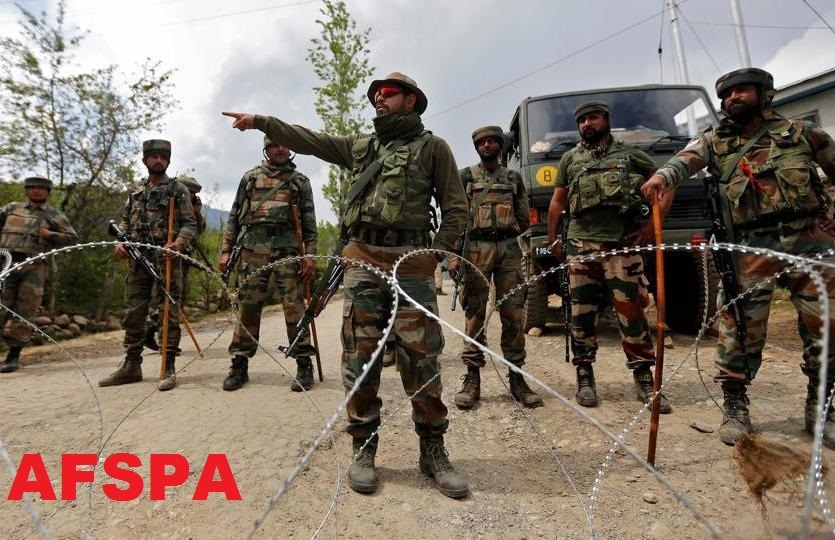
The Supreme Court will hear on August 20 a plea against the dilution of the Armed Forces Special Powers Act that gives immunity to military personnel from prosecution for their actions in disturbed and insurgency-hit areas.
Nearly 300 officers and soldiers of the army have approached Supreme Court today. The Army personnel have filed petition challenging the FIR against tem while running a military operation in those areas where AFSPA(Armed Forces Special Powers Act) is applicable. The Supreme Court has decided to hear the petition on August 20 on demands of the army men.
A bench headed by Chief Justice Dipak Misra agreed to hear the matter after advocate Aishwarya Bhati sought an early hearing of a plea moved by a group of serving Army officers. Petition explained that the registration of FIR and prosecution of Army personnel is against the provisions of AFSPA, as it has got exemption from filing a case against them for taking action during official duty. It was also said that such cases demoralise the army and paramilitary forces.
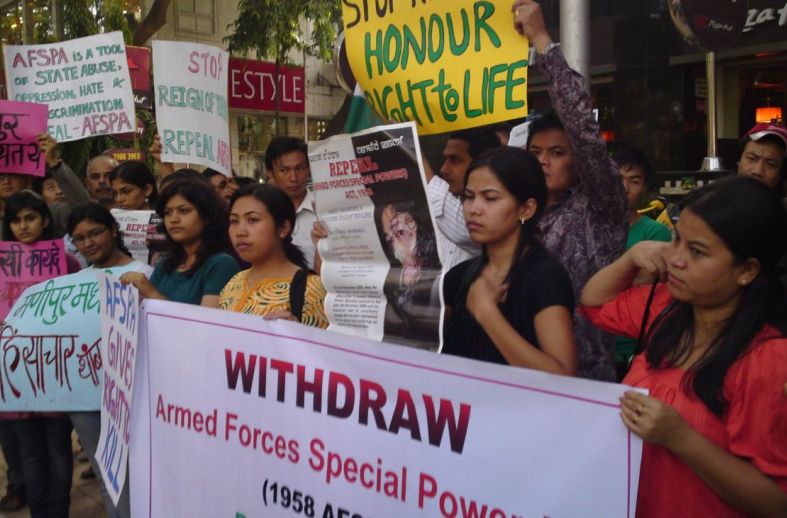
A case is being registered for alleged abusive and fake encounters in areas of Manipur on Army personnel. Some lawsuits were initiated following the directions of the Supreme Court earlier. In fact, Supreme Court had said in the last year's judgment that the encounter in AFSPA areas could also be investigated by the police or the CBI. The soldiers of the army can also be trialed in civil courts.
What is AFSPA?
The Armed Forces Special Power Act (AFSPA) was passed by Parliament in 1958 and since then it has been working as a law.This law was implemented in Jammu and Kashmir in 1990.
Under this law, the army personnel have the full right of interrogation, took in custody and firing on the person who breaks the law. If a person dies during this period, then accountability will not be on such officer.
Naveentam Pillai, Commissioner of the United Nations Human Rights Commission, raised a tremendous voice against this law on March 23, 2009 and demanded to dismiss ASFPA. He compared this to colonial law. On the other hand Army troops argue that due to high risk of their lives in sensitive areas like Jammu and Kashmir they have the right to be such a law.