Know the meaning of words used during the monetary policy review of the Reserve Bank
Wednesday - September 19, 2018 3:03 pm ,
Category : WTN SPECIAL
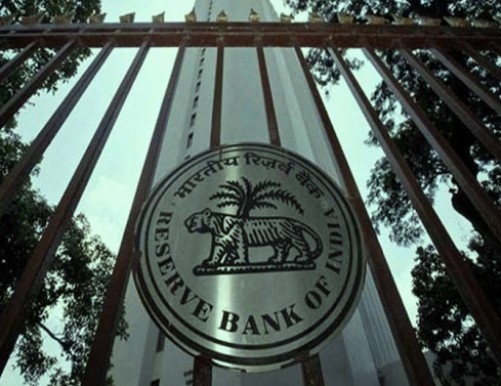
Reserve Bank issues periodic monetary review
The Reserve Bank takes interest from the banks and also gives it
SEP 19 (WTN) - From time to time, the monetary policy is reviewed by the Reserve Bank of India. During this period, there have been discussions regarding Repo Rate, Reverse Repo Rate and CRR. But, do you know? What is the meaning of Repo Rate, Reverse Repo Rate and CRR? If you don’t know then we describe you.
Repo Rate - Banks also need a large amount of money for their daily work, and in such a situation, the banks take loan from the Reserve Bank of India. The rate at which the Reserve Bank charges interest for banks on such overnight loans is called repo rate.
That is, when banks get loans at lower rate from the Reserve Bank, they can also reduce their interest rates to attract customers. Likewise, if the Reserve Bank increases the repo rate, then borrowing for banks will be expensive and they have to increase the interest rates charged to their customers. Therefore, while the monetary policy announcement of the Reserve Bank, everyone keeps eyes fixed at the repo rate.
Reverse Repo Rate - Reverse repo rate is inverted to repo rate. Whenever a large amount of money is left after the day-to-day functioning of banks, they keep that amount in the reserve bank. RBI gives interest on this amount to them. The rate at which the RBI gives interest to the banks on this overnight amount is called reverse repo rate.
For your information, let you know that reverse repo rate is used to control the liquidity in the market. Whenever there is a lot of liquidity in the markets, the RBI raises the reverse repo rate so that the banks deposit their money in the RBI to earn more interest and thus banks will have less money to pay in the market.
Cash Reserve Ratio - Under the banking rules, every bank has to keep a certain portion of its total cash reserve with the Reserve Bank. This is called CRR means cash reserve ratio.
SEP 19 (WTN) - From time to time, the monetary policy is reviewed by the Reserve Bank of India. During this period, there have been discussions regarding Repo Rate, Reverse Repo Rate and CRR. But, do you know? What is the meaning of Repo Rate, Reverse Repo Rate and CRR? If you don’t know then we describe you.
Repo Rate - Banks also need a large amount of money for their daily work, and in such a situation, the banks take loan from the Reserve Bank of India. The rate at which the Reserve Bank charges interest for banks on such overnight loans is called repo rate.
That is, when banks get loans at lower rate from the Reserve Bank, they can also reduce their interest rates to attract customers. Likewise, if the Reserve Bank increases the repo rate, then borrowing for banks will be expensive and they have to increase the interest rates charged to their customers. Therefore, while the monetary policy announcement of the Reserve Bank, everyone keeps eyes fixed at the repo rate.
Reverse Repo Rate - Reverse repo rate is inverted to repo rate. Whenever a large amount of money is left after the day-to-day functioning of banks, they keep that amount in the reserve bank. RBI gives interest on this amount to them. The rate at which the RBI gives interest to the banks on this overnight amount is called reverse repo rate.
For your information, let you know that reverse repo rate is used to control the liquidity in the market. Whenever there is a lot of liquidity in the markets, the RBI raises the reverse repo rate so that the banks deposit their money in the RBI to earn more interest and thus banks will have less money to pay in the market.
Cash Reserve Ratio - Under the banking rules, every bank has to keep a certain portion of its total cash reserve with the Reserve Bank. This is called CRR means cash reserve ratio.