Supreme Court's decision in Ismail Farooqi case, "Namaz in the mosque is not part of Islam"
Thursday - September 27, 2018 4:41 pm ,
Category : WTN SPECIAL
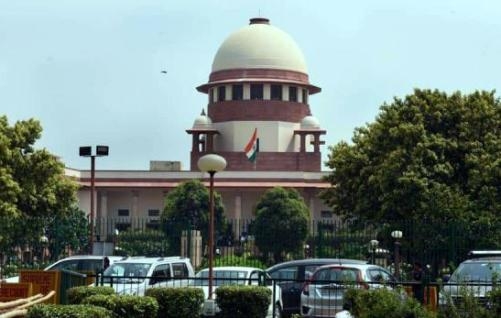
Ismail Farooqi case won’t be sent to the constitution bench
Ayodhya title suit hearing on merit basis from October 29
SEP 27 (WTN) - From October 29, the Ayodhya title suit hearing will now be on the basis of merit. Today, the Supreme Court upholds one of its important decisions, saying that Namaz is not an integral part of the mosque. The Supreme Court said in its majority decision that in the case of Ismail Farooqi, its decision will not be sent to the larger bench. Chief Justice Dipak Misra and Justice Ashok Bhushan said that this case is different from the Ram temple and Babri Masjid case and it will not have any effect on the main issue.
Justice Ashok Bhushan said, "There are two views on this issue, the first consideration is with Justice Bhushan and CJI Deepak Mishra, while the other is Justice Nazir." Justice Ashok Bhushan said, “All religions and religious sites should have equal respect.” Justice Ashok Bhushan further said, "The principles of secularism are the foundation of this country. But in this country there is a rule of law. In the eyes of the law, the temple, the mosque and the church are one. The land of any religious institution can be acquired."
Let us tell you what the 24 years old Ismail Farooqi case is. In Ayodhya, the kar sevaks had demolished the disputed structure on December 6, 1992. Muslims say that the disputed structure was a mosque, and the kar sevaks had demolished the Babri Masjid.
After this, the Central Government brought an ordinance and acquired 67 acres of land in Ayodhya. In this, 120x80 feet of disputed land was also acquired which is called Ram Janmabhoomi- Babri Masjid- Complex.
Ismail Farooqi in his petition challenging the Central Government's decision in the Supreme Court, how the government could take over the religious place. While hearing this, the Supreme Court had said that namaz in the mosque is not an essential part of Islam.
The Muslim community didn’t agree on this decision of the Supreme Court. They wanted the Supreme Court to reconsider its decision. The Muslim community also wanted that Ismail Farooqi case should be heard and before the Ayodhya verdicts related to the title of the controversial land.
But in today's judgment, the Supreme Court has cleared that the issue of namaz in the mosque will not be referred to the Constitution Bench. In 1994, the five-member bench of the Supreme Court had decided in the Ismail Farooqi case that namaz in the mosque is not part of Islam. Now, while the Supreme Court has clarified that the Ismail Farooqi case and Ramjanma Bhoomi Babri Masjid are both separate cases, now everyone's eyes are fixed on how long the judgment on the Ayodhya title suit comes.
SEP 27 (WTN) - From October 29, the Ayodhya title suit hearing will now be on the basis of merit. Today, the Supreme Court upholds one of its important decisions, saying that Namaz is not an integral part of the mosque. The Supreme Court said in its majority decision that in the case of Ismail Farooqi, its decision will not be sent to the larger bench. Chief Justice Dipak Misra and Justice Ashok Bhushan said that this case is different from the Ram temple and Babri Masjid case and it will not have any effect on the main issue.
Justice Ashok Bhushan said, "There are two views on this issue, the first consideration is with Justice Bhushan and CJI Deepak Mishra, while the other is Justice Nazir." Justice Ashok Bhushan said, “All religions and religious sites should have equal respect.” Justice Ashok Bhushan further said, "The principles of secularism are the foundation of this country. But in this country there is a rule of law. In the eyes of the law, the temple, the mosque and the church are one. The land of any religious institution can be acquired."
Let us tell you what the 24 years old Ismail Farooqi case is. In Ayodhya, the kar sevaks had demolished the disputed structure on December 6, 1992. Muslims say that the disputed structure was a mosque, and the kar sevaks had demolished the Babri Masjid.
After this, the Central Government brought an ordinance and acquired 67 acres of land in Ayodhya. In this, 120x80 feet of disputed land was also acquired which is called Ram Janmabhoomi- Babri Masjid- Complex.
Ismail Farooqi in his petition challenging the Central Government's decision in the Supreme Court, how the government could take over the religious place. While hearing this, the Supreme Court had said that namaz in the mosque is not an essential part of Islam.
The Muslim community didn’t agree on this decision of the Supreme Court. They wanted the Supreme Court to reconsider its decision. The Muslim community also wanted that Ismail Farooqi case should be heard and before the Ayodhya verdicts related to the title of the controversial land.
But in today's judgment, the Supreme Court has cleared that the issue of namaz in the mosque will not be referred to the Constitution Bench. In 1994, the five-member bench of the Supreme Court had decided in the Ismail Farooqi case that namaz in the mosque is not part of Islam. Now, while the Supreme Court has clarified that the Ismail Farooqi case and Ramjanma Bhoomi Babri Masjid are both separate cases, now everyone's eyes are fixed on how long the judgment on the Ayodhya title suit comes.