Analysis: Narendra Modi wins UP after losing three states' assembly elections!
Wednesday - December 19, 2018 2:04 pm ,
Category : WTN SPECIAL
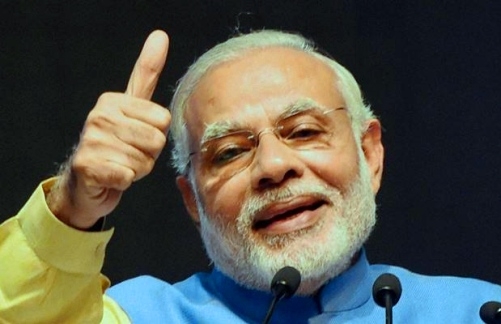
Congress ‘shocked’ in UP, SP-BSP detaches Congress form alliance for Lok Sabha election
For the Lok Sabha elections, the SP-BSP keeps the Congress away from the proposed alliance
DEC 19 (WTN) - Sometimes the victory is hidden in defeat! After the defeat in Madhya Pradesh, Rajasthan and Chhattisgarh assembly elections, the popularity of the BJP and especially Narendra Modi started to raise questions. The opposition says that defeat in these three states proves that the popularity of Narendra Modi is no longer in the country and the BJP will face defeat in the coming Lok Sabha elections. But if it is seen from another point of view, after BJP's defeat in Madhya Pradesh, Rajasthan and Chhattisgarh and the victory of Congress, the BJP is seen to be in profit in the largest state of UP according to the seats in the Lok Sabha.
You might be thinking that how after the defeat in these three states, BJP will benefit from the UP in the Lok Sabha elections; then describe you. In fact, after winning in the Madhya Pradesh, Rajasthan and Chhattisgarh assembly elections, the Congress seems to be dreaming to win in the 2019 Lok Sabha elections because of so called anti-incumbency wave against the Modi government. Also, after performing well in three Hindi-speaking states, Congress and specially Rahul Gandhi expects that party will now perform ‘good’ in UP and if it joins the proposed alliance to be formed in UP, then its claim will be strong and party will contest elections in more seats.
But now it doesn’t seem to happen. According to information received from the media, the Samajwadi Party and the Bahujan Samaj Party have almost 'taken' the decision to keep the Congress out of the alliance to be formed for the Lok Sabha elections. It is being said that both the parties have also decided to formulate a formula for sharing of seats and its formal announcement will be made on January 15, the birthday of BSP chief Mayawati.
After winning the Congress in three states, SP and BSP feel that the Congress can demand more seats in the alliance if formed in UP with Congress. In such a situation, Congress could have demanded more seats in the proposed alliance, so SP and BSP with Ajit Singh's RLD have formed a coalition.
Akhilesh Yadav of SP feared that after winning in the three states assembly election, Congress could have demanded more seats in the alliance and if congress would win then the question of the existence of his party would start to arise. While Mayawati, who is dreaming of becoming the Prime Minister herself, doesn’t want Congress and Rahul Gandhi should be strong by winning more seats in UP. In the weakness of Rahul Gandhi and Congress, Mayawati's chances of becoming prime minister are much more.
According to information received from the media, in this coalition to be formed in UP, the BSP will get 38 seats and SP 37 seats whereas Ajit Singh's party RLD will contest in 3 seats. Though it is being said that after the election results, there is scope for alliance with Congress, so the SP-BSP alliance has decided to not contest candidates in the Congress stronghold Amethi and Rae Bareli. It is not being said that SP can give some seats of its quota to other parties such as Nishad Party and Peace Party. According to information from the media, this formula of seat sharing has got mutual agreement between the top leaders of both the parties.
Now that the Congress will not be included in the proposed alliance of the UP, it is natural that the votes against the BJP will not be unified and the polarization of votes will be done and the BJP will get the biggest benefit in the 2019 Lok Sabha elections. In the 2014 Lok Sabha elections, the BJP had won 71 of the 80 seats in the UP, while its allies Apna Dal in 2 seats. At the same time, the BSP could not even open the account, and the Congress could win only 2 seats in the Samajwadi Party only 5 seats.
In the last Lok Sabha elections, the BJP alone got 42.30 percent votes in UP, while SP got 22.20 percent votes, BSP got 19.60 percent votes and Congress got 7.50 percent votes. If voting percentage of SP, BSP and Congress is added, then the vote percentage of the three parties will be 49.30 percent. In such a scenario, if these three parties fought elections in the 2019 Lok Sabha elections, the BJP could have lost in UP, but after getting away from the Congress coalition, the figures have changed, which is a matter of ‘benefit’ for the BJP.
If SP and BSP combine together after keeping Congress away from the alliance, then both parties have a total of 41.80 percent votes which is less than the 42.30 percent votes cast for the BJP alone in 2014. Also, due to the polarization of anti-BJP votes, the SP-BSP coalition may have to bear the loss.
Not only this, Akhilesh Yadav's uncle and Mulayam Singh Yadav's brother Shivpal Yadav's party Pragatishil Samajwadi Party Lohia will also break into the SP's vote bank, which is beneficial for BJP. As you know, the BJP government led by Yogi Adityanath at the present time is in full majority in UP. In such a scenario during the 2019 Lok Sabha elections, the people of UP can vote with this mentality that there is a BJP government in the state, being a BJP government at the Center will benefit the state, in such a way the BJP can get the benefit of being government in UP.
Overall, if seen, Congress’ being away from SP-SDP coalition can prove to be beneficial for BJP and especially Narendra Modi. Where on one side, anti BJP votes will be polarized in absent of Congress in the SP and BSP alliance, on the other hand, the advantage of ideological battle between SP-BSP will be beneficial for the BJP at the grassroots level as it has been always difficult for the SP-BSP workers to work together. Now it has to be seen that the BJP is able to get rid of the Congress’ being out from the SP-BSP coalition in the Lok Sabha elections of 2019.
DEC 19 (WTN) - Sometimes the victory is hidden in defeat! After the defeat in Madhya Pradesh, Rajasthan and Chhattisgarh assembly elections, the popularity of the BJP and especially Narendra Modi started to raise questions. The opposition says that defeat in these three states proves that the popularity of Narendra Modi is no longer in the country and the BJP will face defeat in the coming Lok Sabha elections. But if it is seen from another point of view, after BJP's defeat in Madhya Pradesh, Rajasthan and Chhattisgarh and the victory of Congress, the BJP is seen to be in profit in the largest state of UP according to the seats in the Lok Sabha.
You might be thinking that how after the defeat in these three states, BJP will benefit from the UP in the Lok Sabha elections; then describe you. In fact, after winning in the Madhya Pradesh, Rajasthan and Chhattisgarh assembly elections, the Congress seems to be dreaming to win in the 2019 Lok Sabha elections because of so called anti-incumbency wave against the Modi government. Also, after performing well in three Hindi-speaking states, Congress and specially Rahul Gandhi expects that party will now perform ‘good’ in UP and if it joins the proposed alliance to be formed in UP, then its claim will be strong and party will contest elections in more seats.
But now it doesn’t seem to happen. According to information received from the media, the Samajwadi Party and the Bahujan Samaj Party have almost 'taken' the decision to keep the Congress out of the alliance to be formed for the Lok Sabha elections. It is being said that both the parties have also decided to formulate a formula for sharing of seats and its formal announcement will be made on January 15, the birthday of BSP chief Mayawati.
After winning the Congress in three states, SP and BSP feel that the Congress can demand more seats in the alliance if formed in UP with Congress. In such a situation, Congress could have demanded more seats in the proposed alliance, so SP and BSP with Ajit Singh's RLD have formed a coalition.
Akhilesh Yadav of SP feared that after winning in the three states assembly election, Congress could have demanded more seats in the alliance and if congress would win then the question of the existence of his party would start to arise. While Mayawati, who is dreaming of becoming the Prime Minister herself, doesn’t want Congress and Rahul Gandhi should be strong by winning more seats in UP. In the weakness of Rahul Gandhi and Congress, Mayawati's chances of becoming prime minister are much more.
According to information received from the media, in this coalition to be formed in UP, the BSP will get 38 seats and SP 37 seats whereas Ajit Singh's party RLD will contest in 3 seats. Though it is being said that after the election results, there is scope for alliance with Congress, so the SP-BSP alliance has decided to not contest candidates in the Congress stronghold Amethi and Rae Bareli. It is not being said that SP can give some seats of its quota to other parties such as Nishad Party and Peace Party. According to information from the media, this formula of seat sharing has got mutual agreement between the top leaders of both the parties.
Now that the Congress will not be included in the proposed alliance of the UP, it is natural that the votes against the BJP will not be unified and the polarization of votes will be done and the BJP will get the biggest benefit in the 2019 Lok Sabha elections. In the 2014 Lok Sabha elections, the BJP had won 71 of the 80 seats in the UP, while its allies Apna Dal in 2 seats. At the same time, the BSP could not even open the account, and the Congress could win only 2 seats in the Samajwadi Party only 5 seats.
In the last Lok Sabha elections, the BJP alone got 42.30 percent votes in UP, while SP got 22.20 percent votes, BSP got 19.60 percent votes and Congress got 7.50 percent votes. If voting percentage of SP, BSP and Congress is added, then the vote percentage of the three parties will be 49.30 percent. In such a scenario, if these three parties fought elections in the 2019 Lok Sabha elections, the BJP could have lost in UP, but after getting away from the Congress coalition, the figures have changed, which is a matter of ‘benefit’ for the BJP.
If SP and BSP combine together after keeping Congress away from the alliance, then both parties have a total of 41.80 percent votes which is less than the 42.30 percent votes cast for the BJP alone in 2014. Also, due to the polarization of anti-BJP votes, the SP-BSP coalition may have to bear the loss.
Not only this, Akhilesh Yadav's uncle and Mulayam Singh Yadav's brother Shivpal Yadav's party Pragatishil Samajwadi Party Lohia will also break into the SP's vote bank, which is beneficial for BJP. As you know, the BJP government led by Yogi Adityanath at the present time is in full majority in UP. In such a scenario during the 2019 Lok Sabha elections, the people of UP can vote with this mentality that there is a BJP government in the state, being a BJP government at the Center will benefit the state, in such a way the BJP can get the benefit of being government in UP.
Overall, if seen, Congress’ being away from SP-SDP coalition can prove to be beneficial for BJP and especially Narendra Modi. Where on one side, anti BJP votes will be polarized in absent of Congress in the SP and BSP alliance, on the other hand, the advantage of ideological battle between SP-BSP will be beneficial for the BJP at the grassroots level as it has been always difficult for the SP-BSP workers to work together. Now it has to be seen that the BJP is able to get rid of the Congress’ being out from the SP-BSP coalition in the Lok Sabha elections of 2019.