Know why the banks not cutting interest rates on loans?
Friday - February 22, 2019 3:26 pm ,
Category : WTN SPECIAL
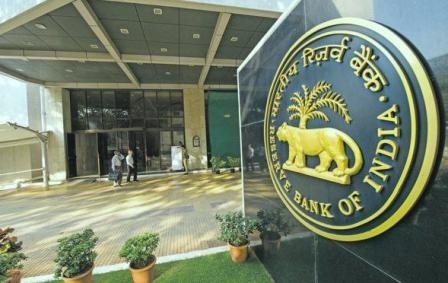
Banks don’t give the benefit of cheap loans even after the cut in the RBI policy rates
Banks' 'bypassing' the advice of the RBI!
FEB 22 (WTN) - The banks' rigid attitude has once again surfaced and even after the RBI reduced the repo rate, the banks are still not giving its full benefit to the customers. In this context, Reserve Bank Governor Shaktikant Das met with the public and private bank officials of the country and he discussed about the deduction of policy interest rate and the reasons for delay in deduction of interest rates of loans by banks.
According to the information, RBI has clearly stated from the banks that the policy rates have been cut by the central bank and it has been reduced from 6.50 per cent to 6.25 per cent. In such a situation, banks also need to reduce the interest rate so customers can avail its full benefits.
For your information, let you know that after the RBI policy rate cut; only SBI, i.e. State Bank of India and Bank of Maharashtra, have reduced its interest rates, but that too only on selected category loans. But it is not that these banks have given full benefit to the repo rate cuts to the customers, but these banks have provided only a fifth part of the relief given by the RBI.
But the big question is: Why are the banks not reaching its direct benefits to the borrowers even after the policy rates cut by the RBI? It is being said that there is a lot of logic behind banks not to do this, as banks say they have a huge NPA burden, which is their first challenge. According to RBI data, the total gross NPAs in Indian banking sector was Rs 8 lakh crores and Rs 10.3 lakh crores, respectively, by March 2017 and March 2018.
To improve the condition of Government banks, the Government has approved the recapitalization of 12 banks. According to the information, the Government will put a capital of about Rs 48 thousand crores in these banks. It is being said that this process of recapitalization will reduce the net NPAs of banks by 6%.
Even in the real estate sector, the risk of NPAs for banks is going deeper. Knowing the matter, the Corporate Affairs Ministry has asked the PMO, the Finance Ministry and the RBI to take any concrete steps at the earliest by writing a letter. In its letter, the Ministry of Corporate Affairs has warned that banks should be cautious with heavy debt companies and at the same time, if there is any default so it’s information should be given immediately.
Due to all these reasons, it seems that banks have not given the full benefit of reduction in repo rate directly to the customers. For your information, let you know that there is a pressure on the banks to recover NPAs as soon as possible. In such a case, banks are not looking interested in deduction in interest on their loan even after the RBI policy rates cut because banks argue that NPA is the biggest headache for them.
But this decision of banks can’t be said a plus point to the Modi Government for the Lok Sabha election because if the loan turns cheap then the credit would be taken by the Modi Government somewhere that due to its policies, the economy in the country is going in the right direction so due to this economic progress the loan turns so cheap.
However, after the advice of the RBI, if the bank does not give benefit to the customers after cutting the policy rates, then its far-reaching consequences can be seen, because if the banks do not give loans for the common people, then in the future, the RBI will hardly cut the policy rates.
FEB 22 (WTN) - The banks' rigid attitude has once again surfaced and even after the RBI reduced the repo rate, the banks are still not giving its full benefit to the customers. In this context, Reserve Bank Governor Shaktikant Das met with the public and private bank officials of the country and he discussed about the deduction of policy interest rate and the reasons for delay in deduction of interest rates of loans by banks.
According to the information, RBI has clearly stated from the banks that the policy rates have been cut by the central bank and it has been reduced from 6.50 per cent to 6.25 per cent. In such a situation, banks also need to reduce the interest rate so customers can avail its full benefits.
For your information, let you know that after the RBI policy rate cut; only SBI, i.e. State Bank of India and Bank of Maharashtra, have reduced its interest rates, but that too only on selected category loans. But it is not that these banks have given full benefit to the repo rate cuts to the customers, but these banks have provided only a fifth part of the relief given by the RBI.
But the big question is: Why are the banks not reaching its direct benefits to the borrowers even after the policy rates cut by the RBI? It is being said that there is a lot of logic behind banks not to do this, as banks say they have a huge NPA burden, which is their first challenge. According to RBI data, the total gross NPAs in Indian banking sector was Rs 8 lakh crores and Rs 10.3 lakh crores, respectively, by March 2017 and March 2018.
To improve the condition of Government banks, the Government has approved the recapitalization of 12 banks. According to the information, the Government will put a capital of about Rs 48 thousand crores in these banks. It is being said that this process of recapitalization will reduce the net NPAs of banks by 6%.
Even in the real estate sector, the risk of NPAs for banks is going deeper. Knowing the matter, the Corporate Affairs Ministry has asked the PMO, the Finance Ministry and the RBI to take any concrete steps at the earliest by writing a letter. In its letter, the Ministry of Corporate Affairs has warned that banks should be cautious with heavy debt companies and at the same time, if there is any default so it’s information should be given immediately.
Due to all these reasons, it seems that banks have not given the full benefit of reduction in repo rate directly to the customers. For your information, let you know that there is a pressure on the banks to recover NPAs as soon as possible. In such a case, banks are not looking interested in deduction in interest on their loan even after the RBI policy rates cut because banks argue that NPA is the biggest headache for them.
But this decision of banks can’t be said a plus point to the Modi Government for the Lok Sabha election because if the loan turns cheap then the credit would be taken by the Modi Government somewhere that due to its policies, the economy in the country is going in the right direction so due to this economic progress the loan turns so cheap.
However, after the advice of the RBI, if the bank does not give benefit to the customers after cutting the policy rates, then its far-reaching consequences can be seen, because if the banks do not give loans for the common people, then in the future, the RBI will hardly cut the policy rates.