The fate of Vande Bharat
Saturday - February 23, 2019 7:01 pm ,
Category : WTN SPECIAL
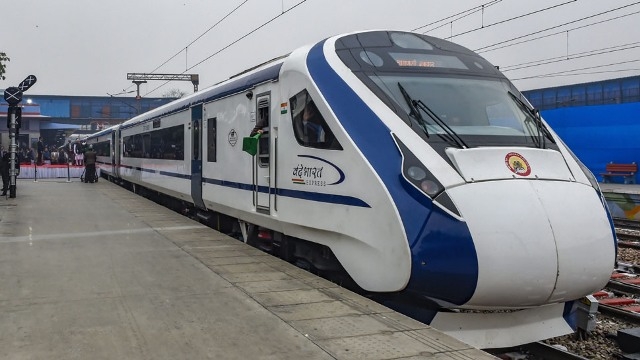
WTN: The much celebrated Vande Bharat Express, the fastest train of India, is plagued with problems from the very beginning. Once it reached Varanasi with a 50-minute delay. The second time it reportedly hit some cattle and broke down neat Tundla. The third day its window panes broke as some unknown persons pelted stones on it in Ferozabad section. Not only this is an ominous beginning, the developments raise questions on the future of such super specialty trains in India.
Are we not yet ready to run and use them? We know a year back headphones were stolen and screens broken on the high-end Tejas Express from Mumbai. We also know towels and bed sheets worth lakhs are stolen every year from AC compartments by passengers. Most of our trains get squalid within days of their inauguration due to our unhygienic practices like strewing litter or not flushing after using the loo. Pelting stones on trains is an old practice which we often fall prey too. Even during the trials the panes of Vande Bharat were shattered by stone pelting.
Indian railways has its long list of problems. The tracks are choking as rail traffic is rising. New additions of trains and services are becoming impossible. Most trains are forced to run slower than their speed limit due to the busy tracks. The financial losses are surmounting. The attempt to restructure the railways, reduce flab and improve its efficiency has failed every time it has been initiated because of policy lags and the opposition by the powerful trade unions, who don’t want to lose the ‘sarkari’ privileges they have been traditionally enjoying. These lacunae have already put the railways on the back foot. In such a situation running semi-high speed state of the art trains like Vande Bharat is a bold and challenging step.
Unless there is people’s support, such initiatives will fail. Despite the constraints, the government must take certain steps to make high-speed trains successful in India. One such move can be setting up elevated and dedicated tracks for their movement. Another can be barricading a particular dedicated track with high fencing on both sides for these special trains, so that there is no intrusion of cattle and destructive elements which could harm the safety of the train or impede its movement. Shatabdis and Rajdhani trains apart from new Vande Bharat rollouts can use these VIP tracks. In the end, it is speed that is the most sellable point of these trains. Even Rajdhani and Shatabdi are plying at an average speed of no more than 80-90 kmph because of the traffic bottlenecks. People are paying high fares for these trains mainly because of the time factor.
If a 12-hour journey takes 8 hours, it makes sense, but if it ends up taking 10-11 hours despite being semi-high speed and charging airline like fare, then the purpose is belied and people will lose interest. We would never want to see such a debacle of a great beginning. The government must take further initiatives to see through it that Vande Bharat Express achieves its full potential and remains a flagship offering because if it succeeds the way it has been planned, trains with even faster speeds of 200-220 kmph can then be envisaged. That’s the way to go for India! -Window To News
Are we not yet ready to run and use them? We know a year back headphones were stolen and screens broken on the high-end Tejas Express from Mumbai. We also know towels and bed sheets worth lakhs are stolen every year from AC compartments by passengers. Most of our trains get squalid within days of their inauguration due to our unhygienic practices like strewing litter or not flushing after using the loo. Pelting stones on trains is an old practice which we often fall prey too. Even during the trials the panes of Vande Bharat were shattered by stone pelting.
Indian railways has its long list of problems. The tracks are choking as rail traffic is rising. New additions of trains and services are becoming impossible. Most trains are forced to run slower than their speed limit due to the busy tracks. The financial losses are surmounting. The attempt to restructure the railways, reduce flab and improve its efficiency has failed every time it has been initiated because of policy lags and the opposition by the powerful trade unions, who don’t want to lose the ‘sarkari’ privileges they have been traditionally enjoying. These lacunae have already put the railways on the back foot. In such a situation running semi-high speed state of the art trains like Vande Bharat is a bold and challenging step.
Unless there is people’s support, such initiatives will fail. Despite the constraints, the government must take certain steps to make high-speed trains successful in India. One such move can be setting up elevated and dedicated tracks for their movement. Another can be barricading a particular dedicated track with high fencing on both sides for these special trains, so that there is no intrusion of cattle and destructive elements which could harm the safety of the train or impede its movement. Shatabdis and Rajdhani trains apart from new Vande Bharat rollouts can use these VIP tracks. In the end, it is speed that is the most sellable point of these trains. Even Rajdhani and Shatabdi are plying at an average speed of no more than 80-90 kmph because of the traffic bottlenecks. People are paying high fares for these trains mainly because of the time factor.
If a 12-hour journey takes 8 hours, it makes sense, but if it ends up taking 10-11 hours despite being semi-high speed and charging airline like fare, then the purpose is belied and people will lose interest. We would never want to see such a debacle of a great beginning. The government must take further initiatives to see through it that Vande Bharat Express achieves its full potential and remains a flagship offering because if it succeeds the way it has been planned, trains with even faster speeds of 200-220 kmph can then be envisaged. That’s the way to go for India! -Window To News