Petrol can be cheaper Rs25 per liter only due to one decision!
Friday - July 26, 2019 11:27 am ,
Category : WTN SPECIAL
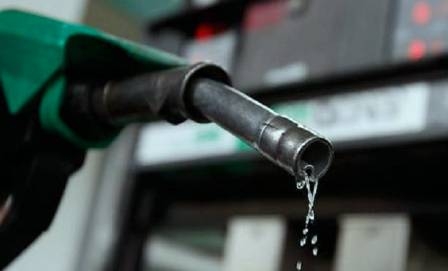
Once again the demand for inclusion of petrol in the GST
The decision of inclusion petrol in the GST can give a great 'relief' to public
JULY 26 (WTN) - As you know, India imports about 90 per cent of its oil needs of crude oil. India has to spend a lot of foreign exchange in importing oil. Crude oil prices depend on the policy of the OPEC countries and international politics. For these reasons, the prices of oil in India continue to be low or high. For your information, let you know that petrol and diesel are out of the GST at this time. The Central Government levies its tax on petrol-diesel, and the State Governments impose a tax on its own, due to which the Central and State Governments earns a lot of revenue by taxing on petrol and diesel.
But there is a demand for a long time that petrol should also be included under the GST, which could reduce its prices and it will reduce the burden on the general public. The ASSOCHAM (The Associated Chambers of Commerce and Industry of India) has once again demanded to include petroleum products in the GST. The ASSOCHAM argues that if petroleum products are included in the GST, then the price of petrol can be significantly reduced.
For your information, let you know that one liter petrol is paid as VAT of 35.56 rupees as excise duty and VAT in Delhi. The dealer gets a commission of Rs 3.57 per liter and VAT is also charged on dealer commission. With the addition of all these taxes, the price of one liter of petrol is greatly increased. It is anticipated that if petroleum products are brought under the GST, then petrol can be up to Rs 25 per liter cheaper.
According to the information, the tax imposed on a liter of petrol is the same as its actual price. The price of petrol-diesel is increased at all the levels from refinery to the customer. The Central Government imposes excises duty on petrol-diesel first. After which State Governments impose VAT on this. After this, the dealer’s commission is also added to it. In this way, taxes are charged on petrol and diesel at every level and at the end the cost of petrol-diesel is much higher than its actual price.
However, if petrol-diesel is brought under the purview of GST, then it the common people will get oil at affordable rates, but it will cause significant loss of revenue to the Central Government and the State Governments. People associated with the petroleum sector say that if petrol products are brought under the GST, then even if the highest rate of GST (28%) is imposed on it, then the price of petrol will greatly be reduced. If this happens, then the petrol price may come down from Rs 75 per liter to about 50 rupees per liter.
Actually, it is true that for a very long time it is being demanded that petrol should be brought under the purview of GST. But for your information, let you know that it is not easy to get petrol in the realm of GST. That's why, because, only the Central Government can’t decide just to include petrol in GST. The decision that which product should be included in the GST and how much tax is imposed on it is decided in the GST Council meeting.
As we told you earlier that the Central Government and the State Governments all get the huge revenue by imposing tax on petrol-diesel. In such a situation, whether the Central Government or any State Government will agree that petrol should be brought under the purview of GST, because by including the petrol in the GST, a large number of Government's income will be stopped.
However, there is no loss to the Central Government and the State Governments by putting petrol in the GST. The Central Government and the State Governments will get a lot of tax on petrol, but they will not get as much tax as they are getting due to petrol being not including in the GST at present. There are discussions from time to time that in order to give relief to the general public, at least petrol can be brought under the purview of the GST, but any kind of consent regarding this is not yet between the Central Government and the State Governments. Now, while ASSOCHAM has demanded that petroleum products should be brought under the purview of GST, then it has to be seen that what will be the stand of governments about this?
JULY 26 (WTN) - As you know, India imports about 90 per cent of its oil needs of crude oil. India has to spend a lot of foreign exchange in importing oil. Crude oil prices depend on the policy of the OPEC countries and international politics. For these reasons, the prices of oil in India continue to be low or high. For your information, let you know that petrol and diesel are out of the GST at this time. The Central Government levies its tax on petrol-diesel, and the State Governments impose a tax on its own, due to which the Central and State Governments earns a lot of revenue by taxing on petrol and diesel.
But there is a demand for a long time that petrol should also be included under the GST, which could reduce its prices and it will reduce the burden on the general public. The ASSOCHAM (The Associated Chambers of Commerce and Industry of India) has once again demanded to include petroleum products in the GST. The ASSOCHAM argues that if petroleum products are included in the GST, then the price of petrol can be significantly reduced.
For your information, let you know that one liter petrol is paid as VAT of 35.56 rupees as excise duty and VAT in Delhi. The dealer gets a commission of Rs 3.57 per liter and VAT is also charged on dealer commission. With the addition of all these taxes, the price of one liter of petrol is greatly increased. It is anticipated that if petroleum products are brought under the GST, then petrol can be up to Rs 25 per liter cheaper.
According to the information, the tax imposed on a liter of petrol is the same as its actual price. The price of petrol-diesel is increased at all the levels from refinery to the customer. The Central Government imposes excises duty on petrol-diesel first. After which State Governments impose VAT on this. After this, the dealer’s commission is also added to it. In this way, taxes are charged on petrol and diesel at every level and at the end the cost of petrol-diesel is much higher than its actual price.
However, if petrol-diesel is brought under the purview of GST, then it the common people will get oil at affordable rates, but it will cause significant loss of revenue to the Central Government and the State Governments. People associated with the petroleum sector say that if petrol products are brought under the GST, then even if the highest rate of GST (28%) is imposed on it, then the price of petrol will greatly be reduced. If this happens, then the petrol price may come down from Rs 75 per liter to about 50 rupees per liter.
Actually, it is true that for a very long time it is being demanded that petrol should be brought under the purview of GST. But for your information, let you know that it is not easy to get petrol in the realm of GST. That's why, because, only the Central Government can’t decide just to include petrol in GST. The decision that which product should be included in the GST and how much tax is imposed on it is decided in the GST Council meeting.
As we told you earlier that the Central Government and the State Governments all get the huge revenue by imposing tax on petrol-diesel. In such a situation, whether the Central Government or any State Government will agree that petrol should be brought under the purview of GST, because by including the petrol in the GST, a large number of Government's income will be stopped.
However, there is no loss to the Central Government and the State Governments by putting petrol in the GST. The Central Government and the State Governments will get a lot of tax on petrol, but they will not get as much tax as they are getting due to petrol being not including in the GST at present. There are discussions from time to time that in order to give relief to the general public, at least petrol can be brought under the purview of the GST, but any kind of consent regarding this is not yet between the Central Government and the State Governments. Now, while ASSOCHAM has demanded that petroleum products should be brought under the purview of GST, then it has to be seen that what will be the stand of governments about this?