The country's economy staggers due to increasing NPAs of banks
Thursday - October 31, 2019 11:48 am ,
Category : WTN SPECIAL
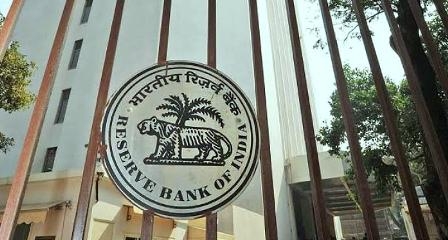
NPAs of banks increase every year causes of concern for RBI
The goal of $ 5 trillion economy can only be achieved by banking sector reforms
OCT 31 (WTN) - Naturally, you must have kept your money deposited in banks. This is why because you do not keep your money at home due to theft and other fears. After keeping the money in the bank, you think that your money is safe there. But since the issue of PMC Bank came in the light, the question has been arising in the mind of the people that is their money safe in banks or not? In fact, after the scam in PMC Bank, the fear of the country's banking system is absorbed in the minds of people.
According to banking sector experts, the banking sector is going through a difficult phase at the moment. Gradually, the NPA of banks is increasing and this is adversely affecting the economy of the country. It is not that the scams of banks are something new, but after the PMC bank scam, once again the weakness of the banking sector in the country is getting attention. The slowly growing NPA of banks is the biggest sign of the weak banking sector.
If you do not know what is the NPA of banks after all? So for your information, let us know that NPA means Non-Performing Asset; that is submerged debt. Despite all efforts, the NPAs of banks are increasing; that is the loan given by banks is being submerged. As per the data, the NPA of banks in the year 2014 was Rs 2.39 lakh crore, which increased to Rs 3.23 lakh crore in the year 2015. At the same time, the NPA of the banks was Rs 5.66 lakh crore in the year 2016, and then it has increased to Rs 7.28 lakh crore in the year 2017. At the same time, in the last year i.e. 2018, the NPA of banks has reached Rs 10.36 lakh crore.
Naturally, rising NPA of banks is giving a big jolt to the economy and rising NPA is sinking the banks and the sinking of banks is hurting the money of its customers. Due to this condition of banks, people's trust in the banking sector is decreasing day by day. Financial experts are of the view that the economic slowdown is also a major reason for the increase in NPAs of banks. For some reason or the other, the NPAs of banks have increased rapidly in the last 3 years. On the other hand, if a bank is put in the PCA (Prompt Corrective Action) category, then that bank will not be able to lend much. Since RBI is keeping a close eye on the distressed banks, then these distressed banks will give the loans very carefully.
Now the economic slowdown is continuing and people are taking loans even less due to a variety of reasons. At the same time, banks are also afraid to give loans that their loan may not become NPA. But since there is also pressure to give loans to banks and they have to give loans thinking that they should not become NPNs, there is no clarity before the banks as to what to do if they do.
Now, due to the concern of NPAs, banks have started to be strict in terms of lending. For your information, let us know that from January to September this year, there has been a huge decline in the loan from banks and the loan from banks has come down from 17 per cent to 8.8 per cent. When the banks had to be strict in lending and reduced the lending, it led to invest less money in business. When there is less money in business, it is natural that it will affect the business and will reduce employment due to the business. When employment is low and people do not have jobs, they will spend limited and limited expenditure has a direct impact on demand.
It is clear that the NPAs of banks are directly impacting the economy of the country. If the same situation prevails, by 2025, the dream of a 5 trillion dollar economy will remain just a dream. On the other hand, if India is compared to other developing countries, it is found that the percentage of banks’ NPA in India is very high as compared to other developing countries. While the NPA of banks is 10 per cent in India, it is 3.6 per cent in Brazil, 2.6 per cent in Indonesia, 2.8 per cent in South Africa and 1.5 per cent in Malaysia.
It is not that the Modi Government is not taking any concrete measures to deal with the grave problem of NPA. To tackle this problem, the government has taken several steps, one of which was the merger of banks. By the way, the government claims that for the first time in March 2019, the NPA has come down and it has come down from Rs 10.36 lakh crore in March 2018 to Rs 9.49 lakh crore. Apart from the merger of banks, the Modi Government has also taken some other measures to deal with the problem of NPA, such as identifying the bank's NPA in a transparent manner, taking strict steps to recover NPA, depositing money in banks and economic recovery in public sector banks.
At the same time, the Modi Government has also introduced a new Insolvency and Bankruptcy Code, under which the action of recovering money from the property of the person or institution who absconds with the bank's money can be done as soon as possible. Now it has to be seen how and how quickly the result of steps to reduce the NPA of banks taken by the Modi Government come out. It is clear that if the banking sector is not reformed at the earliest, then more adverse effects can be seen in the coming time.
OCT 31 (WTN) - Naturally, you must have kept your money deposited in banks. This is why because you do not keep your money at home due to theft and other fears. After keeping the money in the bank, you think that your money is safe there. But since the issue of PMC Bank came in the light, the question has been arising in the mind of the people that is their money safe in banks or not? In fact, after the scam in PMC Bank, the fear of the country's banking system is absorbed in the minds of people.
According to banking sector experts, the banking sector is going through a difficult phase at the moment. Gradually, the NPA of banks is increasing and this is adversely affecting the economy of the country. It is not that the scams of banks are something new, but after the PMC bank scam, once again the weakness of the banking sector in the country is getting attention. The slowly growing NPA of banks is the biggest sign of the weak banking sector.
If you do not know what is the NPA of banks after all? So for your information, let us know that NPA means Non-Performing Asset; that is submerged debt. Despite all efforts, the NPAs of banks are increasing; that is the loan given by banks is being submerged. As per the data, the NPA of banks in the year 2014 was Rs 2.39 lakh crore, which increased to Rs 3.23 lakh crore in the year 2015. At the same time, the NPA of the banks was Rs 5.66 lakh crore in the year 2016, and then it has increased to Rs 7.28 lakh crore in the year 2017. At the same time, in the last year i.e. 2018, the NPA of banks has reached Rs 10.36 lakh crore.
Naturally, rising NPA of banks is giving a big jolt to the economy and rising NPA is sinking the banks and the sinking of banks is hurting the money of its customers. Due to this condition of banks, people's trust in the banking sector is decreasing day by day. Financial experts are of the view that the economic slowdown is also a major reason for the increase in NPAs of banks. For some reason or the other, the NPAs of banks have increased rapidly in the last 3 years. On the other hand, if a bank is put in the PCA (Prompt Corrective Action) category, then that bank will not be able to lend much. Since RBI is keeping a close eye on the distressed banks, then these distressed banks will give the loans very carefully.
Now the economic slowdown is continuing and people are taking loans even less due to a variety of reasons. At the same time, banks are also afraid to give loans that their loan may not become NPA. But since there is also pressure to give loans to banks and they have to give loans thinking that they should not become NPNs, there is no clarity before the banks as to what to do if they do.
Now, due to the concern of NPAs, banks have started to be strict in terms of lending. For your information, let us know that from January to September this year, there has been a huge decline in the loan from banks and the loan from banks has come down from 17 per cent to 8.8 per cent. When the banks had to be strict in lending and reduced the lending, it led to invest less money in business. When there is less money in business, it is natural that it will affect the business and will reduce employment due to the business. When employment is low and people do not have jobs, they will spend limited and limited expenditure has a direct impact on demand.
It is clear that the NPAs of banks are directly impacting the economy of the country. If the same situation prevails, by 2025, the dream of a 5 trillion dollar economy will remain just a dream. On the other hand, if India is compared to other developing countries, it is found that the percentage of banks’ NPA in India is very high as compared to other developing countries. While the NPA of banks is 10 per cent in India, it is 3.6 per cent in Brazil, 2.6 per cent in Indonesia, 2.8 per cent in South Africa and 1.5 per cent in Malaysia.
It is not that the Modi Government is not taking any concrete measures to deal with the grave problem of NPA. To tackle this problem, the government has taken several steps, one of which was the merger of banks. By the way, the government claims that for the first time in March 2019, the NPA has come down and it has come down from Rs 10.36 lakh crore in March 2018 to Rs 9.49 lakh crore. Apart from the merger of banks, the Modi Government has also taken some other measures to deal with the problem of NPA, such as identifying the bank's NPA in a transparent manner, taking strict steps to recover NPA, depositing money in banks and economic recovery in public sector banks.
At the same time, the Modi Government has also introduced a new Insolvency and Bankruptcy Code, under which the action of recovering money from the property of the person or institution who absconds with the bank's money can be done as soon as possible. Now it has to be seen how and how quickly the result of steps to reduce the NPA of banks taken by the Modi Government come out. It is clear that if the banking sector is not reformed at the earliest, then more adverse effects can be seen in the coming time.