Mosquito-borne diseases a big burden for India
Tuesday - November 5, 2019 9:00 am ,
Category : WTN SPECIAL
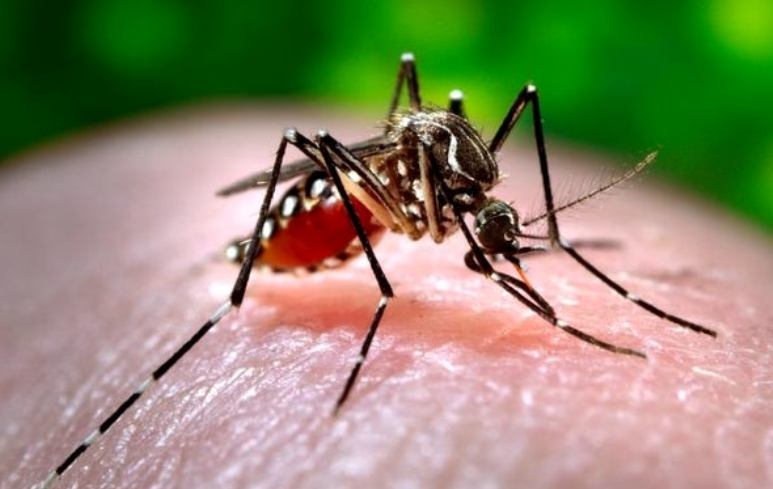
WTN- Every year dengue and malaria take toll of thousands of lives across the country but we don’t seem to have any solution to the problem. The old tradition of blame and counter blame continues, with the people blaming the municipal bodies for their negligence in taking preventive measures, while the authorities holding the people responsible for their negligence in taking adequate precautions as stipulated and advertised.
Between 2010 and 2015, there were at least 2.20 lakh reported dengue cases in the country. An Oxford University study on global distribution of the vector-borne diseases has found that of all countries, India has the highest number of annual dengue cases. Malaria, Chikungunya cases follow closely. The dengue/malaria season starts right from August and ends not before February, thus causing panic, destruction and deaths for almost half of the year.
The health burden of these three-four diseases together is one of the highest on the country’s economy. Since about 2000, India has made inroads in lessening this burden by heightened cleanliness and fogging measures, complete elimination is still a far cry. One big reason has to be the hot tropical conditions of most of India which make for a perfect breeding ground for mosquitoes. India has a vast land bank of marshes, farms, fields, pastures, apart from water bodies and dumping / trenching grounds. These are potent ecosystems of mosquito breeding because of the water accumulation and dampness, and there is no way we can do away with these by any direct scientific intervention.
However, human awareness and preventive actions on the part of individuals matter a lot in our fight against malaria. Most of us allow accumulation of water without caring much about the consequences. Not only we let water stale in our water and air coolers and drums and tyres, we are not vocal or concerned about such accumulations around our homes and in colonies. Ditches, pits, potholes, tanks, drains and ridges around us are not cleaned or covered / filled and we do nothing about those.
Even our parks and lanes are ill maintained, were bushes, grassy growths, garbage and water accumulation are found in plenty, though to check malaria and dengue it is mandatorily needed to keep our surroundings neat and bereft of such facilities which can promote mosquito growth. The precautionary measures are more or less known to every educated person but due to our slackness and self-centeredness, we never raise a voice at the right platforms against the lack of these measures. Even we don’t take the simplest of precautions like wearing full sleeve shirts in vulnerable areas or using the mosquito net while sleeping.
The municipal fogging exercise or their malaria testing and awareness campaigns held from time to time cannot be foolproof solutions if we don’t cooperate with the system and do our bit to scuttle the chances of malaria /dengue growth. It is no rocket science or doesn’t need any Herculean effort to control malaria. But that culture has to grow bottom up — from our good habits and sensible living. We cannot and shouldn’t depend on the government or the administration to come and do everything for us.
Where our actions matter, we must own up our responsibility. Shirking it and looking around for excuses or heaping the blame on others is not going to make our lives any better. It’s only concerted action, unanimity of purpose, clarity of the target and sincerity in work that help.- Window To News
Between 2010 and 2015, there were at least 2.20 lakh reported dengue cases in the country. An Oxford University study on global distribution of the vector-borne diseases has found that of all countries, India has the highest number of annual dengue cases. Malaria, Chikungunya cases follow closely. The dengue/malaria season starts right from August and ends not before February, thus causing panic, destruction and deaths for almost half of the year.
The health burden of these three-four diseases together is one of the highest on the country’s economy. Since about 2000, India has made inroads in lessening this burden by heightened cleanliness and fogging measures, complete elimination is still a far cry. One big reason has to be the hot tropical conditions of most of India which make for a perfect breeding ground for mosquitoes. India has a vast land bank of marshes, farms, fields, pastures, apart from water bodies and dumping / trenching grounds. These are potent ecosystems of mosquito breeding because of the water accumulation and dampness, and there is no way we can do away with these by any direct scientific intervention.
However, human awareness and preventive actions on the part of individuals matter a lot in our fight against malaria. Most of us allow accumulation of water without caring much about the consequences. Not only we let water stale in our water and air coolers and drums and tyres, we are not vocal or concerned about such accumulations around our homes and in colonies. Ditches, pits, potholes, tanks, drains and ridges around us are not cleaned or covered / filled and we do nothing about those.
Even our parks and lanes are ill maintained, were bushes, grassy growths, garbage and water accumulation are found in plenty, though to check malaria and dengue it is mandatorily needed to keep our surroundings neat and bereft of such facilities which can promote mosquito growth. The precautionary measures are more or less known to every educated person but due to our slackness and self-centeredness, we never raise a voice at the right platforms against the lack of these measures. Even we don’t take the simplest of precautions like wearing full sleeve shirts in vulnerable areas or using the mosquito net while sleeping.
The municipal fogging exercise or their malaria testing and awareness campaigns held from time to time cannot be foolproof solutions if we don’t cooperate with the system and do our bit to scuttle the chances of malaria /dengue growth. It is no rocket science or doesn’t need any Herculean effort to control malaria. But that culture has to grow bottom up — from our good habits and sensible living. We cannot and shouldn’t depend on the government or the administration to come and do everything for us.
Where our actions matter, we must own up our responsibility. Shirking it and looking around for excuses or heaping the blame on others is not going to make our lives any better. It’s only concerted action, unanimity of purpose, clarity of the target and sincerity in work that help.- Window To News