Check sugar intake but keep hypoglycemia at bay
Thursday - November 21, 2019 10:24 am ,
Category : WTN SPECIAL
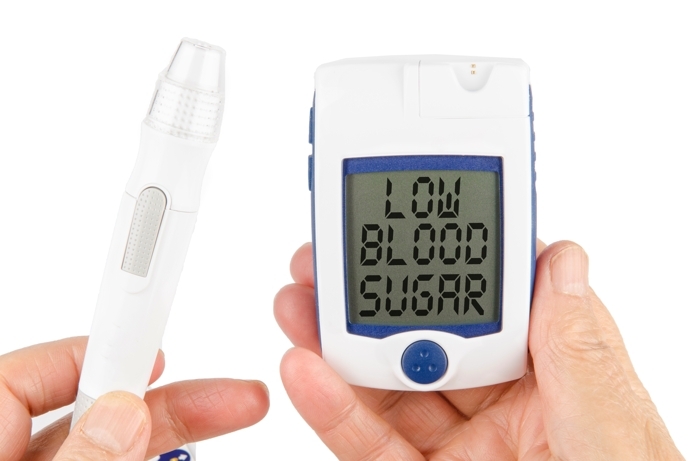
WTN- When we talk of diabetes the main issue that comes up is the excessive sugar content in the blood and all efforts are taken to reduce the amount of sugar in the blood of the patient to keep the vital parameters in the right shape.
But one thing that is neglected is that shortage of sugar/glucose in the blood is also a disease and can portend grave consequences if left unattended to for long.
Doctors say that the number of hypoglycemia patients is constantly on the rise. The fad for going sugar free and lessening sugar intake in daily diet due to fear of weight gain or diabetes is a major factor in promoting the disease.
Unfortunately, it is not very easy to discern the symptoms of hypoglycemia and most people don’t know if they have it, which in turn doesn’t give the clear picture of the exact number of such patients in the country at a given time, though the official figure is over a million patients.
Low blood sugar content can lead to weakness and fainting. For most practical purposes, the brain is dependent on a continual supply of glucose diffusing from the blood into the interstitial tissue within the central nervous system and into the neurons themselves.
Therefore, if the amount of glucose supplied by the blood falls, the brain is one of the first organs affected. In extreme cases low sugar can also prove fatal. If the blood sugar level is below 70-80 milligram in a person, it means he/she has hypoglycemia. If the figure falls further below to less than 50 mg, the condition is called severe hypoglycemia.
Many experts consider this condition even more dangerous than diabetes and suggest immediate medical intervention. Some of the most prominent symptoms that mark the condition include repeated hunger, sweating, difficulty in walking, weak at the knees, forgetfulness, pain in the chest, blackouts, giddiness, blurred vision etc.
Apart from immediate medical attention if these symptoms appear, also proper rest and food intake is important. To protect oneself from the possible attack of hypoglycemia, one must take adequate fibrous food as this helps in maintaining the right sugar level. Instead of having fruit juice, stress must be laid on having the whole fruits for greater sugar content and fiber.
Stress and worries must be avoided. Regular exercise also keeps the sugar balance right. Many people don’t follow some of these basic tenets of a good living and fall easy prey to preventable diseases, though many of them like hypoglycemia, first discovered by James Collip in 1922, are easily preventable and curable.- Window To News