...Then you may have to pay a new charge on petrol-diesel for the coming five years!
Monday - December 23, 2019 11:15 am ,
Category : WTN SPECIAL
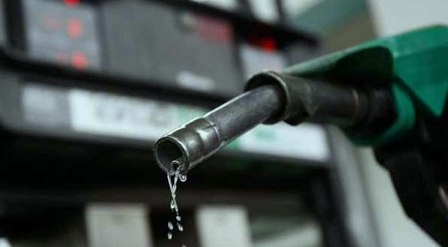
Petrol-diesel prices may increase by 80 paise to Rs 1.50 per liter
Oil companies preparing to recover BS-VI stage fuel infrastructure cost from the consumers
DEC 23 (WTN) - As you know, the prices of petrol and diesel in India are fixed on a daily basis. On the basis of international crude oil prices, the price of petrol and diesel keeps fluctuating in the country. Currently, the economy of any country is almost entirely dependent on petrol and diesel. Due to the increase in the prices of petrol and diesel, inflation increases and it directly affects the general public.
But for your information, let us know that apart from the increase in the price of crude oil, the price of petrol and diesel can increase from 80 paise to Rs 1.50 per liter. After reading this, you must have thought that why after all? In fact, the Central Government is considering that oil companies should be allowed to charge a premium for recovery of the amount spent to produce less polluting fuel. This is why, because these companies have demanded the government to increase the rates of petrol-diesel to compensate for the expenditure incurred on preparing the new infrastructure.
If the Modi Government accepts this proposal of the Oil Marketing Companies (OCM's), then the price of petrol or diesel can increase from 80 paise to Rs 1.50 per liter. On the other hand, if you are thinking that this increase in the price of petrol-diesel is only for some time, then for your information, let us tell you that the cost of infrastructure for making better fuel can be continued for five years. That is consumers may have to pay the burden of infrastructure expenses for the next five years. In fact, the central government is considering the demand for oil companies for a premium charge on the retail price of oil.
Explain that the oil companies want to get a fraction of the investment in upgrading their refinery to make BS-Stage-6 fuel and that is why these companies are demanding from the government that petrol-diesel prices should be increased from 80 paise to Rs 1.50 per liter. It is clear that if the oil companies get permission to collect the premium charge, then the price of petrol-diesel is bound to increase. And if petrol-diesel is expensive then no one can stop it from increasing inflation. But on the other hand, the oil companies argue that they have invested thousands of crores of rupees for the BS-VI stage and to meet this investment it is necessary to increase the oil price.
In fact, the government oil companies claim that they have spent about 80 thousand crores on infrastructure to prepare fuel for BS-VI engines, while private oil marketing companies have also spent on infrastructure on a large scale. In such a situation, there is a demand from the government and private oil companies to approve an increase in the prices of petrol-diesel to meet the infrastructure costs. For your information, let us know that the government does not decide the price of petrol-diesel now. A few years ago, the central government had deregulated fuel prices, that is, the prices of petrol and diesel have started to be decided on the basis of crude oil prices in the international market.
If the central government increases the prices of petrol and diesel considering the demand for oil companies, then it can increase the difficulties of the general public. In fact, if the prices of crude oil continue to rise in the international market, then petrol-diesel prices will increase in the same proportion, which will directly affect transportation and inflation will increase. But it can also be seen from another point of view that pollution from the fuel of the BS-VI engine will be less spread and it will directly benefit the public. But now it has to be seen that if the price of petrol-diesel increases in the name of infrastructure expenditure, will the general public of the country be able to easily understand and accept that the increase in the price of petrol-diesel done to prevent environmental pollution.
DEC 23 (WTN) - As you know, the prices of petrol and diesel in India are fixed on a daily basis. On the basis of international crude oil prices, the price of petrol and diesel keeps fluctuating in the country. Currently, the economy of any country is almost entirely dependent on petrol and diesel. Due to the increase in the prices of petrol and diesel, inflation increases and it directly affects the general public.
But for your information, let us know that apart from the increase in the price of crude oil, the price of petrol and diesel can increase from 80 paise to Rs 1.50 per liter. After reading this, you must have thought that why after all? In fact, the Central Government is considering that oil companies should be allowed to charge a premium for recovery of the amount spent to produce less polluting fuel. This is why, because these companies have demanded the government to increase the rates of petrol-diesel to compensate for the expenditure incurred on preparing the new infrastructure.
If the Modi Government accepts this proposal of the Oil Marketing Companies (OCM's), then the price of petrol or diesel can increase from 80 paise to Rs 1.50 per liter. On the other hand, if you are thinking that this increase in the price of petrol-diesel is only for some time, then for your information, let us tell you that the cost of infrastructure for making better fuel can be continued for five years. That is consumers may have to pay the burden of infrastructure expenses for the next five years. In fact, the central government is considering the demand for oil companies for a premium charge on the retail price of oil.
Explain that the oil companies want to get a fraction of the investment in upgrading their refinery to make BS-Stage-6 fuel and that is why these companies are demanding from the government that petrol-diesel prices should be increased from 80 paise to Rs 1.50 per liter. It is clear that if the oil companies get permission to collect the premium charge, then the price of petrol-diesel is bound to increase. And if petrol-diesel is expensive then no one can stop it from increasing inflation. But on the other hand, the oil companies argue that they have invested thousands of crores of rupees for the BS-VI stage and to meet this investment it is necessary to increase the oil price.
In fact, the government oil companies claim that they have spent about 80 thousand crores on infrastructure to prepare fuel for BS-VI engines, while private oil marketing companies have also spent on infrastructure on a large scale. In such a situation, there is a demand from the government and private oil companies to approve an increase in the prices of petrol-diesel to meet the infrastructure costs. For your information, let us know that the government does not decide the price of petrol-diesel now. A few years ago, the central government had deregulated fuel prices, that is, the prices of petrol and diesel have started to be decided on the basis of crude oil prices in the international market.
If the central government increases the prices of petrol and diesel considering the demand for oil companies, then it can increase the difficulties of the general public. In fact, if the prices of crude oil continue to rise in the international market, then petrol-diesel prices will increase in the same proportion, which will directly affect transportation and inflation will increase. But it can also be seen from another point of view that pollution from the fuel of the BS-VI engine will be less spread and it will directly benefit the public. But now it has to be seen that if the price of petrol-diesel increases in the name of infrastructure expenditure, will the general public of the country be able to easily understand and accept that the increase in the price of petrol-diesel done to prevent environmental pollution.