So was it really necessary to increase rail passenger fare?
Thursday - January 2, 2020 2:39 pm ,
Category : WTN SPECIAL
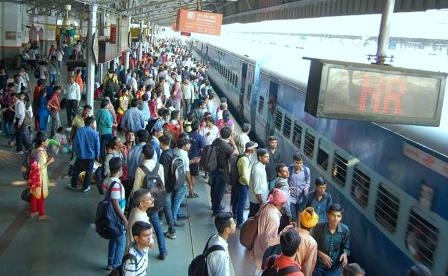
The Railways increases passenger fares
The Railways claims an improvement in passenger amenities after a slight increase in passenger fares
JAN 02 (WTN) - After all, Indian Railways has increased in the passenger fares. Yes, in the New Year, the railway has given a shock to the passengers by increasing passenger fares. However, the railways claim that the increase in fares is nominal and it has been done after a long time. Let us tell you how much the railway fare has increased and what is the rationale behind the increase in fare as per the Railways?
For your information, let us tell you that the railways have increased the fares of different categories from 1 paise to 4 paise per kilometer. With this increase in fares, railways are estimated to have an annual surplus of about Rs 2,300 crore. The increased passenger fare has come into effect from January 1. The Railways has increased the fares for mail and express trains by 2 paise and AC train fare by 4 paise per km. However, no increase has been made in suburban rentals. The shares of IRCTC (Indian Railway Catering and Tourism Corporation) went up after the increase in fare by Railways.
While the opposition has criticized the increase in passenger fares by the railways, but the reason behind the increase in passenger fares is that the increase in passenger fares to increase passenger amenities at trains and stations had become inevitable. However, after increasing the fare, the Railways say that there has been a slight increase in passenger fares and this has not put any burden on any class. The Railways argue on the increased fares that the money received from it will accelerate the modernization work of the railways.
After the increased fare, let us explain how much money you will have to spend on the new fare. If there is a distance of 500 km between any two railway stations and you travel in normal a non AC train between these two stations, then you have to pay 5 rupees more according to the increased fare. On the other hand, if you travel between these two stations in a non AC mail/express train, then you will have to pay Rs 10 more after the increase of fare 2 paise per kilometer. On the other hand, if you travel in an AC class between these two stations, then you will have to pay 20 rupees more for the fare.
In fact, the reasoning behind the increase in fares is that if the fare was not increased, then the railway deficit would have increased. For your information, let us know that according to the railways, in this financial year till the month of November, the Railways have incurred a loss of about 20,000 crores. The condition is that the operating ratio of the railway has increased to 121 per cent. That is, Railways have to spend 121 rupees to earn 100 rupees. Statistics show that in the last three years, the Railways have incurred a loss of more than 78 thousand crores rupees, and the biggest reason for that is the cost of operations could not be recovered from the tickets sold to the passengers.
In this regard, Railway Minister Piyush Goyal himself said in response to a question in the Lok Sabha that during the last three years, the Railways have suffered due to lower passenger fares than the operational cost. Let us know that in the financial year 2015-16, the Railways has incurred a loss of Rs 22,262 crore, while in the financial year 2016-17, the Railways has incurred a loss of Rs 25,561 crore and in the financial year 2017-18, the Railways has incurred a loss of Rs 31,128 crore.
It is natural that the Railways are incurring losses because much less fare is being charged from the passengers than the operating costs. But it is also certain that if the railways collect the fare equal to the operating cost from the passengers, then there will be a huge increase in passenger fares. In such a situation, the railway should first of all stop the extravagance.
On the other hand, the railways should bring regularity and continuity in the facilities provided by it to the passengers, because they will not be able to protest and criticize the increased fares only when the passenger is satisfied with the railway facilities.
JAN 02 (WTN) - After all, Indian Railways has increased in the passenger fares. Yes, in the New Year, the railway has given a shock to the passengers by increasing passenger fares. However, the railways claim that the increase in fares is nominal and it has been done after a long time. Let us tell you how much the railway fare has increased and what is the rationale behind the increase in fare as per the Railways?
For your information, let us tell you that the railways have increased the fares of different categories from 1 paise to 4 paise per kilometer. With this increase in fares, railways are estimated to have an annual surplus of about Rs 2,300 crore. The increased passenger fare has come into effect from January 1. The Railways has increased the fares for mail and express trains by 2 paise and AC train fare by 4 paise per km. However, no increase has been made in suburban rentals. The shares of IRCTC (Indian Railway Catering and Tourism Corporation) went up after the increase in fare by Railways.
While the opposition has criticized the increase in passenger fares by the railways, but the reason behind the increase in passenger fares is that the increase in passenger fares to increase passenger amenities at trains and stations had become inevitable. However, after increasing the fare, the Railways say that there has been a slight increase in passenger fares and this has not put any burden on any class. The Railways argue on the increased fares that the money received from it will accelerate the modernization work of the railways.
After the increased fare, let us explain how much money you will have to spend on the new fare. If there is a distance of 500 km between any two railway stations and you travel in normal a non AC train between these two stations, then you have to pay 5 rupees more according to the increased fare. On the other hand, if you travel between these two stations in a non AC mail/express train, then you will have to pay Rs 10 more after the increase of fare 2 paise per kilometer. On the other hand, if you travel in an AC class between these two stations, then you will have to pay 20 rupees more for the fare.
In fact, the reasoning behind the increase in fares is that if the fare was not increased, then the railway deficit would have increased. For your information, let us know that according to the railways, in this financial year till the month of November, the Railways have incurred a loss of about 20,000 crores. The condition is that the operating ratio of the railway has increased to 121 per cent. That is, Railways have to spend 121 rupees to earn 100 rupees. Statistics show that in the last three years, the Railways have incurred a loss of more than 78 thousand crores rupees, and the biggest reason for that is the cost of operations could not be recovered from the tickets sold to the passengers.
In this regard, Railway Minister Piyush Goyal himself said in response to a question in the Lok Sabha that during the last three years, the Railways have suffered due to lower passenger fares than the operational cost. Let us know that in the financial year 2015-16, the Railways has incurred a loss of Rs 22,262 crore, while in the financial year 2016-17, the Railways has incurred a loss of Rs 25,561 crore and in the financial year 2017-18, the Railways has incurred a loss of Rs 31,128 crore.
It is natural that the Railways are incurring losses because much less fare is being charged from the passengers than the operating costs. But it is also certain that if the railways collect the fare equal to the operating cost from the passengers, then there will be a huge increase in passenger fares. In such a situation, the railway should first of all stop the extravagance.
On the other hand, the railways should bring regularity and continuity in the facilities provided by it to the passengers, because they will not be able to protest and criticize the increased fares only when the passenger is satisfied with the railway facilities.