Not just Education; it has to be the Best !
Wednesday - March 15, 2017 11:07 am ,
Category : WTN SPECIAL
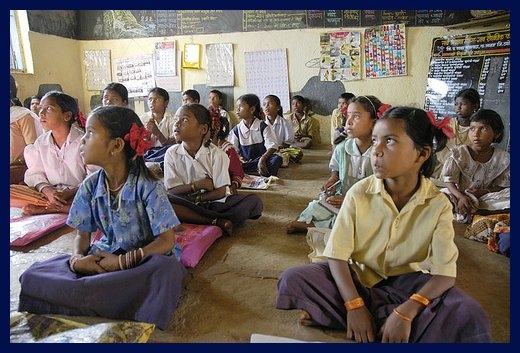
Education has become a costly affair like anything else. All said and done the overall picture of government healthcare facilities in the country is still nothing to write home about.
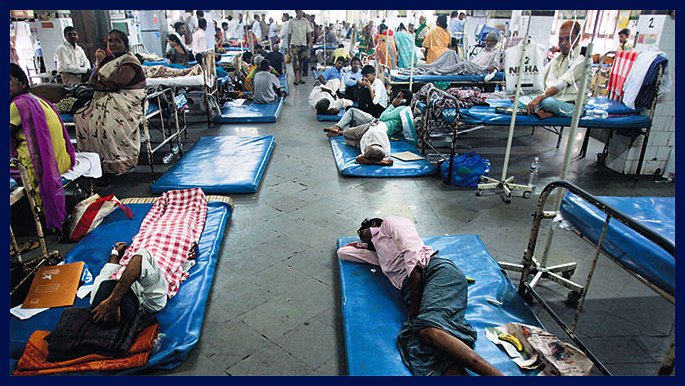 Barring a few hospitals, most others are still grappling with multiple problems right from the shortage of doctors to lack of equipment and millions of people have to depend on expensive private hospitals which happily fleece them for the facilities they provide.
Same is the story with our government education facilities. Despite the best of intentions, government schools are still struggling to keep up with the best in education.
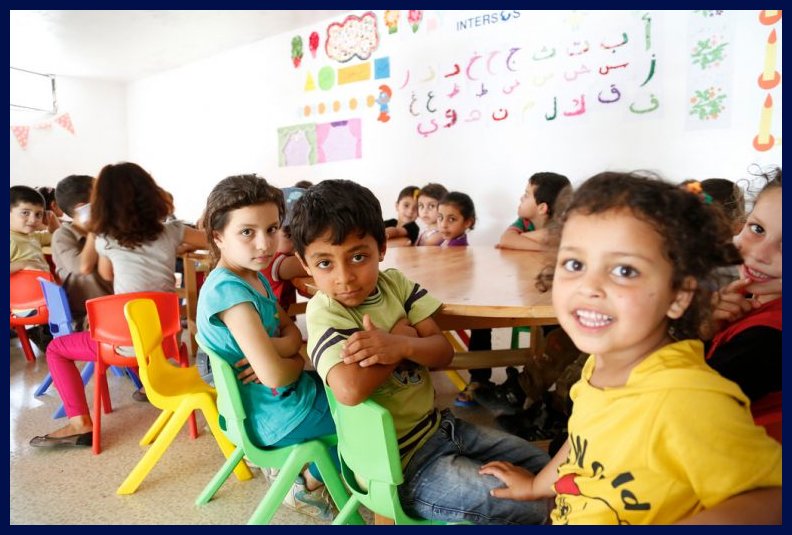
Here too it is the private schools which cater to the cream of society. Those who can afford get much more than those who cannot. Millions of children in government schools in far and remote parts of the country suffer the severe lack of facilities like computer, Internet, modern labs and good teachers. They just have to make do with whatever they get, simply because they cannot afford to spend Rs. 10,000 a month to study in a posh and plump private school and reap the benefits of exposure and better skill enhancement. Naturally, in most cases, government school students lag when they face their private school compatriots in professional life or in the field of higher education.
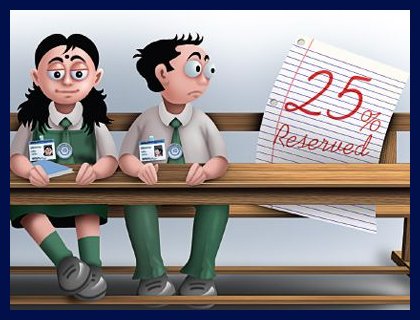 The government, through the RTE Act, has made some way to facilitate such students to study in the best private schools around them, by mandating their intake by such schools, yet the percentage is still low, given the huge number of students who still depend on government schools for their education. The target has to be to bring the best of the private school system to the government establishment too. It is not that difficult, but what we need is the vision and the willingness. The government has not only to enhance its spending on primary and secondary education but also monitor the results closely and make officials and teachers accountable for their lapses if the results are not that encouraging. The schools must not only be well funded but also well facilitated with an adequate number of professionals, ample books in a well-stocked library along with technological interventions by way of state-of-the-art computer and science labs and smart classrooms. These are mostly one-time expenditures and the government must do this to ensure that government schools and their students stand on par with the private ones. Side by side, appointments of faculty members must be transparent and only the best need to be selected and through regular in-service training and appraisals, it must be guaranteed that the teachers are always abreast with the best educational practices. Student and teacher exchange tie-ups with leading national and international schools can further help in reducing the qualitative gap because it will be a learning experience for the students and teachers of rural and small-town government schools.
Some of these experiments have been successful in the Navodaya Vidyalayas and Kendriya Vidyalayas but these are directly under the Centre’s HRD department, which is why they get the required attention and funding. The situation is not the same for the state-run government schools where respective state governments are negligent and often cash-starved to spruce them up. Moreover, the Navodayas and the KVs are much lesser in number as compared to the high demand of quality schools in the country. Even then corruption and inefficiency mar the prospects of excellence in many KVs and JNVs too. The government extends subsidies to different sections of the population based on poverty indices and social strata but education is not something which is easily accessible to many. It must provide the necessary subsidies in the field of education too. More students should be accommodated in private schools through government subsidies to such students, based on their poverty level and/or merit.
 The MP government is taking initiatives to provide financial benefits to SC/ST meritorious students to pursue higher studies in top institutes. But this is not done in other states. The Centre must encourage such initiatives. It is not a case of one or two students who excel. The benefits must reach each and every student so that we provide the best opportunities to all to try and flourish. The Centre must mull steps to make state-run schools accountable for their actions and ensure they don’t suffer due to lack of fund or teachers. Spread and penetration of education must be the government’s first priority because that is the primary stepping stone for India to become a developed and strong nation.
Barring a few hospitals, most others are still grappling with multiple problems right from the shortage of doctors to lack of equipment and millions of people have to depend on expensive private hospitals which happily fleece them for the facilities they provide. Same is the story with our government education facilities. Despite the best of intentions, government schools are still struggling to keep up with the best in education.
Here too it is the private schools which cater to the cream of society. Those who can afford get much more than those who cannot. Millions of children in government schools in far and remote parts of the country suffer the severe lack of facilities like computer, Internet, modern labs and good teachers. They just have to make do with whatever they get, simply because they cannot afford to spend Rs. 10,000 a month to study in a posh and plump private school and reap the benefits of exposure and better skill enhancement. Naturally, in most cases, government school students lag when they face their private school compatriots in professional life or in the field of higher education.
The government, through the RTE Act, has made some way to facilitate such students to study in the best private schools around them, by mandating their intake by such schools, yet the percentage is still low, given the huge number of students who still depend on government schools for their education. The target has to be to bring the best of the private school system to the government establishment too. It is not that difficult, but what we need is the vision and the willingness. The government has not only to enhance its spending on primary and secondary education but also monitor the results closely and make officials and teachers accountable for their lapses if the results are not that encouraging. The schools must not only be well funded but also well facilitated with an adequate number of professionals, ample books in a well-stocked library along with technological interventions by way of state-of-the-art computer and science labs and smart classrooms. These are mostly one-time expenditures and the government must do this to ensure that government schools and their students stand on par with the private ones. Side by side, appointments of faculty members must be transparent and only the best need to be selected and through regular in-service training and appraisals, it must be guaranteed that the teachers are always abreast with the best educational practices. Student and teacher exchange tie-ups with leading national and international schools can further help in reducing the qualitative gap because it will be a learning experience for the students and teachers of rural and small-town government schools. Some of these experiments have been successful in the Navodaya Vidyalayas and Kendriya Vidyalayas but these are directly under the Centre’s HRD department, which is why they get the required attention and funding. The situation is not the same for the state-run government schools where respective state governments are negligent and often cash-starved to spruce them up. Moreover, the Navodayas and the KVs are much lesser in number as compared to the high demand of quality schools in the country. Even then corruption and inefficiency mar the prospects of excellence in many KVs and JNVs too. The government extends subsidies to different sections of the population based on poverty indices and social strata but education is not something which is easily accessible to many. It must provide the necessary subsidies in the field of education too. More students should be accommodated in private schools through government subsidies to such students, based on their poverty level and/or merit.
The MP government is taking initiatives to provide financial benefits to SC/ST meritorious students to pursue higher studies in top institutes. But this is not done in other states. The Centre must encourage such initiatives. It is not a case of one or two students who excel. The benefits must reach each and every student so that we provide the best opportunities to all to try and flourish. The Centre must mull steps to make state-run schools accountable for their actions and ensure they don’t suffer due to lack of fund or teachers. Spread and penetration of education must be the government’s first priority because that is the primary stepping stone for India to become a developed and strong nation.