Audi to launch 10 new Vehicles this Year
Wednesday - March 29, 2017 4:16 pm ,
Category : WTN SPECIAL

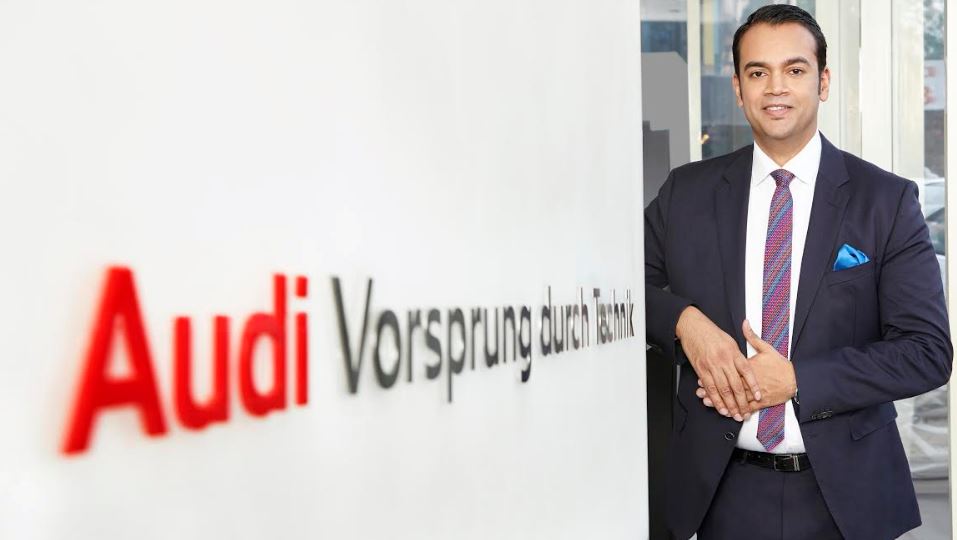
Audi India, the German luxury car manufacturer is charting out an aggressive growth plan in India. Mr. Rahil Ansari has recently taken over as the Head of the company in India.
“The company made it clear they needed someone of Indian origin and who's been here, knows the psyche of Indian buyers and understands the culture. They also wanted someone young to reflect Audi, which is a young and dynamic brand,” commented Mr. Rahil Ansari.
Speaking about his top priorities in India, Mr. Rahil Ansari said, ”We want to create a sustainable growth in India. We are not happy being at number two. We want to be at the top; that is the target. But, not to do it overnight but sustainably so - when we reach the top, we should stay there.We are looking at getting more customers to the brand and to grow them in the Audi family. Volume is a priority but we will not overdo it.”
Highlighting the challenge facing the country and strategy to combat them, Mr. Ansari opined, “I have been speaking to dealers and customers. There are a few India- specific challenges. We wish we had time to prepare for events like diesel ban in the National Capital Region last year.The most important thing is to keep calm, consolidate and take steps. One thing is to have a strong product portfolio and go for sustainable growth, along with dealer partners. In phases when the market is challenging, you need to be calm and that is the strength of Audi.”
Audi is planning a large product portfolio in India and will launch around 10 new products this year. At the same time, the company is not only looking at volumes but at fulfilling customers' requirements and entering new segments to create trends.
“We will bring some models in segments where we have never been.The luxury segment is small but the country is so full of resources. A substantial amount of people can own an Audi. We expect the market to grow at a certain stage. No one knows when this time will come but it is sure that the segment will grow. India is a small but strategic market for Audi,” added Mr. Ansari.
Talking about the future of electric vehicles in the country, Mr. Ansari says, “Despite electric vehicles (EVs) being on the radar of the government and OEMs the world over, the scenario of roads filled with electrically-operated cars still has some distance to go. However, there is a great opportunity for Audi in this segment and there is definitely a potential in India for e-mobility. We would welcome a long-term focus to see what could be done together with the industry and the government and how, realistically, a road map could be put in place to move to electrification.”
Commenting on the policy/incentive suggestions for the government that will help leapfrog demand in the electric space, Mr. Ansari added, “A reduction in import duties will help the brands in offering the cars at an affordable price, thus helping in promoting clean and sustainable technologies. On the other hand, the Government needs to get the infrastructure in place for such vehicles in the Indian market.Electric mobility must be seen as a normal part of our everyday lives. Only then will it become firmly established in our society and ensure a sustainable approach. For us, it is now important to actively and vigorously push this transformation forward.”
“The company made it clear they needed someone of Indian origin and who's been here, knows the psyche of Indian buyers and understands the culture. They also wanted someone young to reflect Audi, which is a young and dynamic brand,” commented Mr. Rahil Ansari.
Speaking about his top priorities in India, Mr. Rahil Ansari said, ”We want to create a sustainable growth in India. We are not happy being at number two. We want to be at the top; that is the target. But, not to do it overnight but sustainably so - when we reach the top, we should stay there.We are looking at getting more customers to the brand and to grow them in the Audi family. Volume is a priority but we will not overdo it.”
Highlighting the challenge facing the country and strategy to combat them, Mr. Ansari opined, “I have been speaking to dealers and customers. There are a few India- specific challenges. We wish we had time to prepare for events like diesel ban in the National Capital Region last year.The most important thing is to keep calm, consolidate and take steps. One thing is to have a strong product portfolio and go for sustainable growth, along with dealer partners. In phases when the market is challenging, you need to be calm and that is the strength of Audi.”
Audi is planning a large product portfolio in India and will launch around 10 new products this year. At the same time, the company is not only looking at volumes but at fulfilling customers' requirements and entering new segments to create trends.
“We will bring some models in segments where we have never been.The luxury segment is small but the country is so full of resources. A substantial amount of people can own an Audi. We expect the market to grow at a certain stage. No one knows when this time will come but it is sure that the segment will grow. India is a small but strategic market for Audi,” added Mr. Ansari.
Talking about the future of electric vehicles in the country, Mr. Ansari says, “Despite electric vehicles (EVs) being on the radar of the government and OEMs the world over, the scenario of roads filled with electrically-operated cars still has some distance to go. However, there is a great opportunity for Audi in this segment and there is definitely a potential in India for e-mobility. We would welcome a long-term focus to see what could be done together with the industry and the government and how, realistically, a road map could be put in place to move to electrification.”
Commenting on the policy/incentive suggestions for the government that will help leapfrog demand in the electric space, Mr. Ansari added, “A reduction in import duties will help the brands in offering the cars at an affordable price, thus helping in promoting clean and sustainable technologies. On the other hand, the Government needs to get the infrastructure in place for such vehicles in the Indian market.Electric mobility must be seen as a normal part of our everyday lives. Only then will it become firmly established in our society and ensure a sustainable approach. For us, it is now important to actively and vigorously push this transformation forward.”