World Braille Day.
Thursday - January 4, 2024 11:37 am ,
Category : WTN SPECIAL
World Braille Day is observed on January 4th every year which shows the birth anniversary of Louis Braille, the inventor of the Braille system. This day serves as a reminder of the crucial role Braille played on enhancing the lives of millions of visually impaired individuals worldwide. The significance of World Braille Day goes beyond recognising a system of raised dots that is it symbolises empowerment, independence and inclusivity for the blind and visually impaired community.
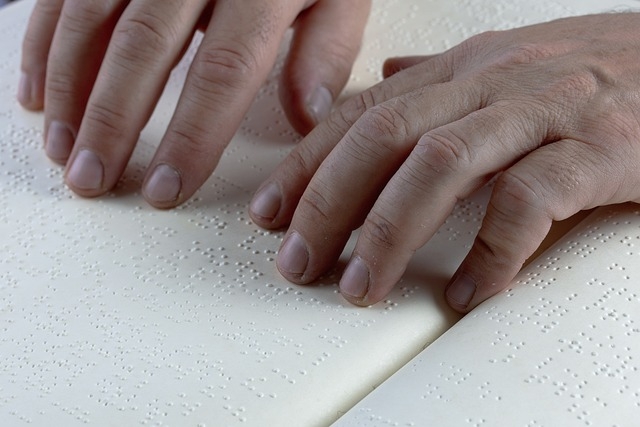
Braille is a tactile (sense of touch) writing and reading system that utilises combinations of raised dots arranged in a grid of six dots. Each character or letter is represented by different dot patterns which allow individuals with visual impairments to read through touch. This system has become the standard for blind and visually impaired people around the world, providing access to literature, education and information in various languages.
As technology advances, Braille continues to evolve to meet the changing needs of the visually impaired community. Electronic Braille displays, Braille embossers and Braille note takers are just a few examples of how technology has enhanced Braille accessibility. These innovations facilitate real-time access to information by making it easier for visually impaired individuals to stay connected, pursue careers and engage in recreational activities.
World Braille Day also serves as a platform to advocate for the importance of Braille, raise awareness about the challenges faced by the blind community, and promote policies that support Braille education.
Braille is a tactile (sense of touch) writing and reading system that utilises combinations of raised dots arranged in a grid of six dots. Each character or letter is represented by different dot patterns which allow individuals with visual impairments to read through touch. This system has become the standard for blind and visually impaired people around the world, providing access to literature, education and information in various languages.
As technology advances, Braille continues to evolve to meet the changing needs of the visually impaired community. Electronic Braille displays, Braille embossers and Braille note takers are just a few examples of how technology has enhanced Braille accessibility. These innovations facilitate real-time access to information by making it easier for visually impaired individuals to stay connected, pursue careers and engage in recreational activities.
World Braille Day also serves as a platform to advocate for the importance of Braille, raise awareness about the challenges faced by the blind community, and promote policies that support Braille education.