Makar Sankranti.
Tuesday - January 16, 2024 12:13 pm ,
Category : WTN SPECIAL
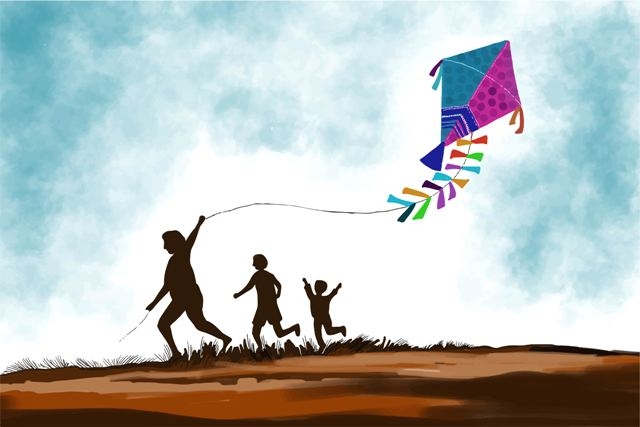
Makar Sankranti, also known as Uttarayan, is a vibrant and auspicious festival celebrated across India to mark the sun's transition. This festival typically falls on the 14th or 15th of January symbolising the end of winter and the onset of longer days. Makar Sankranti holds great cultural significance as it not only marks the harvest season but also symbolises the victory of light over darkness.
Makar Sankranti is celebrated with various rituals and traditions, varying from one region to another. One of the most common customs is the preparation and consumption of special dishes made from sesame seeds and jaggery. In many households, people come together to fly kites and making a day filled with fun and enthusiasm. The sky is adorned with colourful kites is a common sight during Makar Sankranti celebrations.
In certain states like Gujarat, the festival takes the form of a grand event called Uttarayan, where kite-flying competitions are organised and the sky becomes a canvas of vibrant colours. In Maharashtra, people exchange tilgul (a mixture of sesame seeds and jaggery) and say the phrase "Tilgul ghya, god god bola," which means "Accept this tilgul and speak sweet words."
Makar Sankranti also has religious implications with devotees taking a holy dip in rivers like the Ganges, Yamuna, Godavari and others with a belief to cleanse them of sins. The festival is associated with various deities and in some regions, special prayers and pujas is performed to seek blessings for a prosperous year ahead.
Makar Sankranti is celebrated with various rituals and traditions, varying from one region to another. One of the most common customs is the preparation and consumption of special dishes made from sesame seeds and jaggery. In many households, people come together to fly kites and making a day filled with fun and enthusiasm. The sky is adorned with colourful kites is a common sight during Makar Sankranti celebrations.
In certain states like Gujarat, the festival takes the form of a grand event called Uttarayan, where kite-flying competitions are organised and the sky becomes a canvas of vibrant colours. In Maharashtra, people exchange tilgul (a mixture of sesame seeds and jaggery) and say the phrase "Tilgul ghya, god god bola," which means "Accept this tilgul and speak sweet words."
Makar Sankranti also has religious implications with devotees taking a holy dip in rivers like the Ganges, Yamuna, Godavari and others with a belief to cleanse them of sins. The festival is associated with various deities and in some regions, special prayers and pujas is performed to seek blessings for a prosperous year ahead.