Bridging the Generation Gap: Understanding and Embracing Differences.
Wednesday - January 31, 2024 2:21 pm ,
Category : WTN SPECIAL
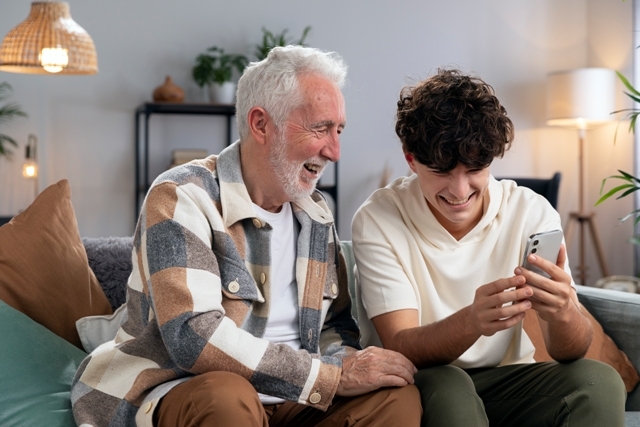
The term "generation gap" has been in discussions about societal dynamics for decades. It refers to the differences in perspectives, values and communication styles between people of different age groups, typically parents and their children. In today's rapidly evolving world, where technology, culture and social norms are constantly shifting, the generation gap has become more pronounced than ever before.
One of the primary reasons for the generation gap is the vastly different experiences and environments in which each generation grows up. For example, baby boomers experienced post-war economic prosperity and traditional family structures, while millennial and Gen Z have grown up in the digital age which is characterised by rapid technological advancements and globalisation. These differing contexts shape beliefs, attitudes, and behaviors lead to misunderstandings and conflicts between generations.
Communication breakdown is a significant challenge in bridging the generation gap. Each generation has its preferred modes of communication, whether it's face-to-face interaction, phone calls or digital platforms like social media and messaging apps. Misinterpretation often occurs when communication styles clash which tends to frustration.
Instead of viewing the generation gap as a barrier, it's essential to embrace the diversity of perspectives and experiences it brings. Each generation has unique insights and knowledge to offer and by fostering an environment of mutual respect and understanding, we can leverage these differences to drive innovation and progress.
One of the primary reasons for the generation gap is the vastly different experiences and environments in which each generation grows up. For example, baby boomers experienced post-war economic prosperity and traditional family structures, while millennial and Gen Z have grown up in the digital age which is characterised by rapid technological advancements and globalisation. These differing contexts shape beliefs, attitudes, and behaviors lead to misunderstandings and conflicts between generations.
Communication breakdown is a significant challenge in bridging the generation gap. Each generation has its preferred modes of communication, whether it's face-to-face interaction, phone calls or digital platforms like social media and messaging apps. Misinterpretation often occurs when communication styles clash which tends to frustration.
Instead of viewing the generation gap as a barrier, it's essential to embrace the diversity of perspectives and experiences it brings. Each generation has unique insights and knowledge to offer and by fostering an environment of mutual respect and understanding, we can leverage these differences to drive innovation and progress.