Pulwama Attack – Black Day for India.
Wednesday - February 14, 2024 4:40 pm ,
Category : WTN SPECIAL
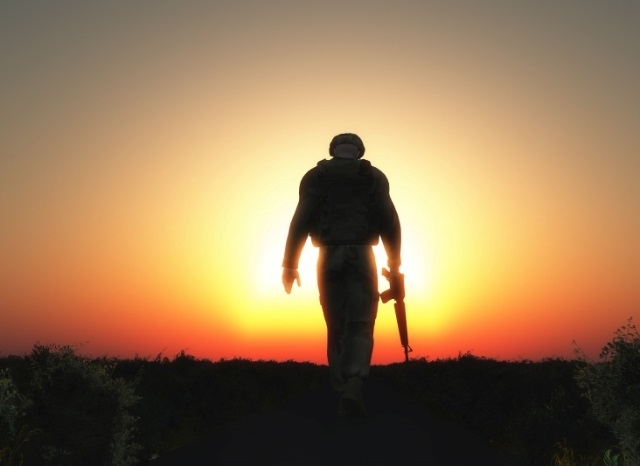
The Pulwama attack of February 14, 2019, stands as a dark chapter in the history of India, casting a long shadow of sorrow, anger and reflection. This terrorist strike by Jaish-e-Mohammed (JeM), a Pakistan-based militant group, targeted a convoy of Indian paramilitary personnel in the Pulwama district of Jammu and Kashmir, resulting in the loss of 40 CRPF (Central Reserve Police Force) personnel and injuring many others. The attack not only shook the nation to its core but also escalated tensions between India and Pakistan, bringing the two nuclear-armed neighbours to the brink of war.
The Pulwama attack was carried out by a suicide bomber driving an explosive vehicle into the convoy was one of the deadliest in the history of the Kashmir conflict. JeM claimed responsibility for the attack, further exacerbating tensions between India and Pakistan. The attack was widely condemned by the international community, with calls for Pakistan to take concrete actions against terrorist groups operating from its soil.
In the aftermath of the Pulwama attack, India launched a diplomatic offensive to isolate Pakistan internationally and mount pressure on its government to act against terrorist organisations operating from its territory. India also took retaliatory measures, including airstrikes on alleged JeM training camps in Pakistan-administered Kashmir. These airstrikes led to a dogfight between Indian and Pakistani fighter jets and escalated tensions between the two nuclear-armed nations.
The Pulwama also underscored the fragility of peace in the region and the potential for conflict escalation between nuclear-armed adversaries. While the immediate crisis may have subsided, the underlying issues remain unresolved, highlighting the imperative for sustained dialogue, confidence-building measures and regional cooperation to achieve lasting peace and stability in South Asia.
The Pulwama attack was carried out by a suicide bomber driving an explosive vehicle into the convoy was one of the deadliest in the history of the Kashmir conflict. JeM claimed responsibility for the attack, further exacerbating tensions between India and Pakistan. The attack was widely condemned by the international community, with calls for Pakistan to take concrete actions against terrorist groups operating from its soil.
In the aftermath of the Pulwama attack, India launched a diplomatic offensive to isolate Pakistan internationally and mount pressure on its government to act against terrorist organisations operating from its territory. India also took retaliatory measures, including airstrikes on alleged JeM training camps in Pakistan-administered Kashmir. These airstrikes led to a dogfight between Indian and Pakistani fighter jets and escalated tensions between the two nuclear-armed nations.
The Pulwama also underscored the fragility of peace in the region and the potential for conflict escalation between nuclear-armed adversaries. While the immediate crisis may have subsided, the underlying issues remain unresolved, highlighting the imperative for sustained dialogue, confidence-building measures and regional cooperation to achieve lasting peace and stability in South Asia.