Tackling Plastic Pollution - Effective Strategies for Reducing Single Use Plastics.
Wednesday - April 3, 2024 6:02 pm ,
Category : WTN SPECIAL
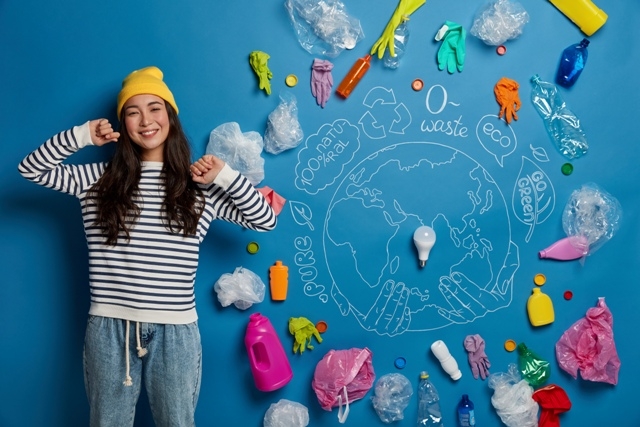
Plastic pollution has become one of the most pressing environmental challenges of our time, with single use plastics being a significant contributor. These disposable items, designed for convenience actually end up polluting our oceans, harming marine life and posing threats to human health. To combat this issue, various strategies have been proposed and implemented worldwide to reduce the consumption and production of single-use plastics.
One of the most direct approaches is to implement bans or restrictions on single-use plastics. Governments and municipalities around the world have taken action by prohibiting or limiting the use of items such as plastic bags, straws, utensils and styrofoam containers. These measures encourage the adoption of reusable alternatives and reduce the amount of plastic entering the environment.
Encouraging the use of reusable alternatives is essential in reducing single-use plastic consumption. Businesses can offer incentives for customers to bring their own bags, bottles, or containers, such as discounts or loyalty rewards. Additionally, governments and organisations can launch campaigns to raise awareness about the benefits of reusable products and provide educational resources on how to adopt sustainable habits.
Improving recycling infrastructure and waste management systems is crucial for reducing plastic pollution. Investments in recycling facilities, collection programs and technologies for sorting and processing plastic waste can help increase recycling rates and reduce the amount of plastic ending up in landfills or oceans.
By implementing strategies such as banning single-use plastics, promoting reusable alternatives and supporting innovation in alternative materials, we can make significant progress in reducing plastic pollution and safeguarding the health of our planet for future generations. It is essential for governments, industries, communities and individuals to work together collaboratively to tackle this global environmental challenge effectively.
One of the most direct approaches is to implement bans or restrictions on single-use plastics. Governments and municipalities around the world have taken action by prohibiting or limiting the use of items such as plastic bags, straws, utensils and styrofoam containers. These measures encourage the adoption of reusable alternatives and reduce the amount of plastic entering the environment.
Encouraging the use of reusable alternatives is essential in reducing single-use plastic consumption. Businesses can offer incentives for customers to bring their own bags, bottles, or containers, such as discounts or loyalty rewards. Additionally, governments and organisations can launch campaigns to raise awareness about the benefits of reusable products and provide educational resources on how to adopt sustainable habits.
Improving recycling infrastructure and waste management systems is crucial for reducing plastic pollution. Investments in recycling facilities, collection programs and technologies for sorting and processing plastic waste can help increase recycling rates and reduce the amount of plastic ending up in landfills or oceans.
By implementing strategies such as banning single-use plastics, promoting reusable alternatives and supporting innovation in alternative materials, we can make significant progress in reducing plastic pollution and safeguarding the health of our planet for future generations. It is essential for governments, industries, communities and individuals to work together collaboratively to tackle this global environmental challenge effectively.