Urbanization and Its Impact on Wildlife Habitats.
Saturday - April 6, 2024 2:14 pm ,
Category : WTN SPECIAL
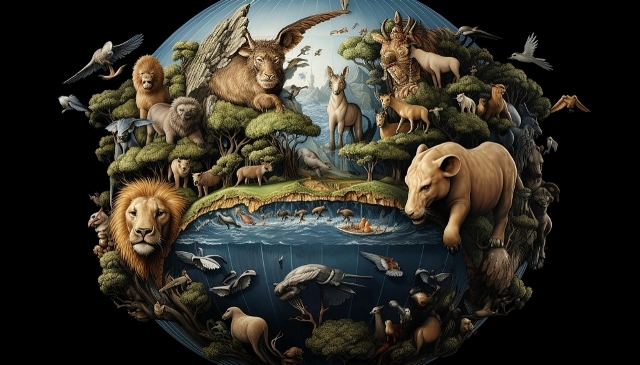
Urbanization, the process of population concentration in cities and the expansion of urban areas, has become a defining feature of modern civilization. While urbanization brings about economic development and social progress, it also poses significant challenges to wildlife habitats. The encroachment of urban infrastructure into natural landscapes disrupts ecosystems, leading to habitat loss, fragmentation and degradation. Understanding the impact of urbanization on wildlife habitats is crucial for devising effective strategies to mitigate its negative consequences and promote harmonious coexistence between humans and wildlife.
One of the most immediate effects of urbanization is the conversion of natural habitats into urban landscapes. Forests, wetlands and grasslands are often cleared to make way for buildings, roads and other infrastructure. This loss of habitat reduces the available space for wildlife populations, forcing them into smaller and increasingly fragmented areas.
Urbanization creates barriers that fragment wildlife habitats, isolating populations and disrupting natural migration patterns. Fragmented habitats are particularly detrimental to species that require large ranges to thrive, such as apex predators and migratory birds. Fragmentation also increases the likelihood of genetic isolation and reduces biodiversity within affected ecosystems.
Protecting remaining natural habitats and restoring degraded areas are essential strategies for mitigating the impact of urbanization on wildlife. Conservation efforts should focus on preserving critical habitats, creating wildlife corridors to connect fragmented areas, and implementing green infrastructure initiatives within urban environments.
Integrating wildlife friendly design principles into urban planning processes can help to minimize habitat fragmentation and enhance habitat connectivity. Strategies such as incorporating green spaces, wildlife corridors and vegetated rooftops into urban landscapes can provide essential habitat for wildlife while promoting ecological resilience.
Raising awareness about the importance of wildlife habitats and the consequences of urbanization is key to fostering public support for conservation efforts. Educational programs, community engagement initiatives and outreach campaigns can empower individuals to take proactive measures to protect and preserve wildlife habitats in urban and suburban areas.
One of the most immediate effects of urbanization is the conversion of natural habitats into urban landscapes. Forests, wetlands and grasslands are often cleared to make way for buildings, roads and other infrastructure. This loss of habitat reduces the available space for wildlife populations, forcing them into smaller and increasingly fragmented areas.
Urbanization creates barriers that fragment wildlife habitats, isolating populations and disrupting natural migration patterns. Fragmented habitats are particularly detrimental to species that require large ranges to thrive, such as apex predators and migratory birds. Fragmentation also increases the likelihood of genetic isolation and reduces biodiversity within affected ecosystems.
Protecting remaining natural habitats and restoring degraded areas are essential strategies for mitigating the impact of urbanization on wildlife. Conservation efforts should focus on preserving critical habitats, creating wildlife corridors to connect fragmented areas, and implementing green infrastructure initiatives within urban environments.
Integrating wildlife friendly design principles into urban planning processes can help to minimize habitat fragmentation and enhance habitat connectivity. Strategies such as incorporating green spaces, wildlife corridors and vegetated rooftops into urban landscapes can provide essential habitat for wildlife while promoting ecological resilience.
Raising awareness about the importance of wildlife habitats and the consequences of urbanization is key to fostering public support for conservation efforts. Educational programs, community engagement initiatives and outreach campaigns can empower individuals to take proactive measures to protect and preserve wildlife habitats in urban and suburban areas.