Environmental Impact of Electric Vehicles.
Tuesday - April 9, 2024 1:03 pm ,
Category : WTN SPECIAL
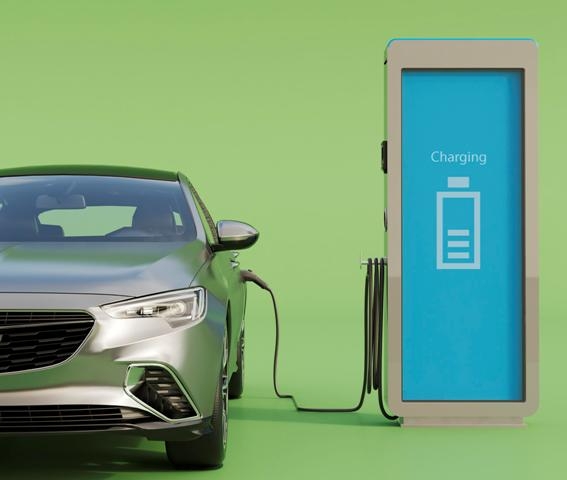
Electric vehicles (EVs) have gained significant traction as a promising alternative to traditional internal combustion engine vehicles, primarily due to their potential to reduce greenhouse gas emissions and mitigate environmental degradation.
Contrary to conventional vehicles, where emissions predominantly stem from the combustion of fossil fuels during operation, EVs entail emissions throughout their lifecycle. This lifecycle analysis encompasses the extraction and processing of raw materials, manufacturing, operation and eventual disposal or recycling. While EVs produce zero tailpipe emissions during operation, the environmental footprint associated with their production, particularly battery manufacturing and mineral extraction, warrants scrutiny.
The environmental impact of EVs is heavily contingent on the source of electricity used for charging. In regions with a high proportion of renewable energy, such as solar or wind, EVs offer substantial emissions reductions compared to conventional vehicles. Conversely, in areas predominantly reliant on coal or other fossil fuels for electricity generation, the environmental benefits of EVs diminish, albeit not entirely eliminated.
Electric vehicles represent a promising pathway towards sustainable transportation, offering the potential to significantly reduce greenhouse gas emissions and dependency on fossil fuels. Ultimately, a concerted effort from policymakers, industry stakeholders and consumers is indispensable in realising a future where electric vehicles play a pivotal role in mitigating climate change and preserving environmental quality.
Contrary to conventional vehicles, where emissions predominantly stem from the combustion of fossil fuels during operation, EVs entail emissions throughout their lifecycle. This lifecycle analysis encompasses the extraction and processing of raw materials, manufacturing, operation and eventual disposal or recycling. While EVs produce zero tailpipe emissions during operation, the environmental footprint associated with their production, particularly battery manufacturing and mineral extraction, warrants scrutiny.
The environmental impact of EVs is heavily contingent on the source of electricity used for charging. In regions with a high proportion of renewable energy, such as solar or wind, EVs offer substantial emissions reductions compared to conventional vehicles. Conversely, in areas predominantly reliant on coal or other fossil fuels for electricity generation, the environmental benefits of EVs diminish, albeit not entirely eliminated.
Electric vehicles represent a promising pathway towards sustainable transportation, offering the potential to significantly reduce greenhouse gas emissions and dependency on fossil fuels. Ultimately, a concerted effort from policymakers, industry stakeholders and consumers is indispensable in realising a future where electric vehicles play a pivotal role in mitigating climate change and preserving environmental quality.