Jallianwala Bagh Massacre - A Day of Tragedy (1919)
Saturday - April 13, 2024 2:31 pm ,
Category : WTN SPECIAL
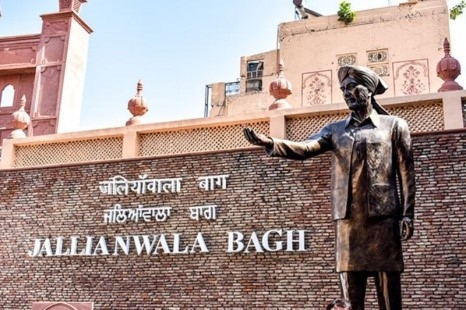
13th April, 1919 marks one of the darkest chapters in India's struggle for independence that is the Jallianwala Bagh massacre. This tragic event, etched in the annals of history and serves as a reminder of the sacrifices made in the pursuit of freedom. Situated in Amritsar, Punjab, Jallianwala Bagh was a serene garden enclosed by high walls, often frequented by locals for leisure or peaceful gatherings. On that fateful day, it transformed into a site of horror and bloodshed.
Under the command of Brigadier General Reginald Dyer, British troops surrounded the garden and opened fire on thousands of unarmed civilians who had gathered to protest against the arrest of nationalist leaders and the implementation of repressive laws such as the Rowlatt Act. Trapped within the confined space, men, women and children were mercilessly gunned down, with no escape from the barrage of bullets.
The exact number of casualties remains disputed, but it is estimated that hundreds were killed, and thousands were injured in the indiscriminate firing. The brutality of the massacre sent shockwaves across the nation of the Indian people in their fight against British colonial rule. After the incident Rabindranath Tagore renounced his knighthood in protest and Mahatma Gandhi, who was already at the forefront of the freedom struggle, intensified his nonviolent resistance against British oppression.
As we commemorate the Jallianwala Bagh massacre, it is essential to remember the resilience and courage of those who sacrificed their lives for the cause of freedom. Their legacy continues to inspire generations, reminding us of the ongoing struggle for justice, equality and dignity.
Under the command of Brigadier General Reginald Dyer, British troops surrounded the garden and opened fire on thousands of unarmed civilians who had gathered to protest against the arrest of nationalist leaders and the implementation of repressive laws such as the Rowlatt Act. Trapped within the confined space, men, women and children were mercilessly gunned down, with no escape from the barrage of bullets.
The exact number of casualties remains disputed, but it is estimated that hundreds were killed, and thousands were injured in the indiscriminate firing. The brutality of the massacre sent shockwaves across the nation of the Indian people in their fight against British colonial rule. After the incident Rabindranath Tagore renounced his knighthood in protest and Mahatma Gandhi, who was already at the forefront of the freedom struggle, intensified his nonviolent resistance against British oppression.
As we commemorate the Jallianwala Bagh massacre, it is essential to remember the resilience and courage of those who sacrificed their lives for the cause of freedom. Their legacy continues to inspire generations, reminding us of the ongoing struggle for justice, equality and dignity.