First ever IAF An-32 aircraft to fly with Bio-jet fuel on this Republic Day
Friday - January 25, 2019 2:58 pm ,
Category : INDIA
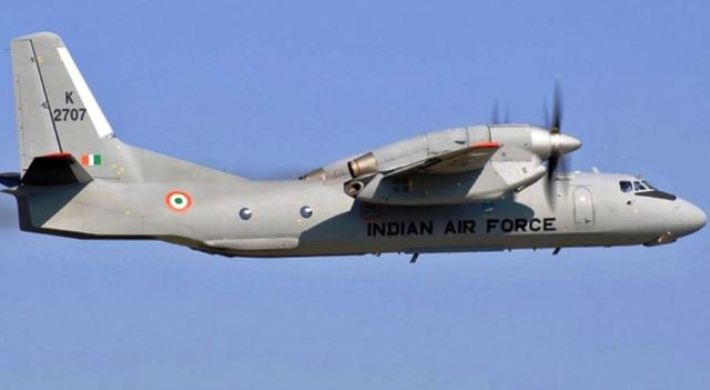
(WTN) After months of exhaustive ground and flight trials, the indigenous produced bio-fuel has been finally cleared for use by the premier airworthiness certification agency of the country. This approval enables the IAF to fulfil its commitment to fly the maiden IAF An-32 aircraft on January 26, 2019, with a blend of bio-jet fuel.
#RepublicDay2019 : For the 1st time, a new formation #SUTLEJ, comprising of 03 AN-32 aircraft will flypast Rajpath. The lead An-32 will be flying with 10% #BioFuel blend.
— PIB India (@PIB_India) January 25, 2019
Video Courtesy: @IAF_MCC
Details Here: https://t.co/3Ht4EGeT0D … pic.twitter.com/7VK36PXbwv
The bio-jet fuel has been produced from seeds of Jatropha plant sourced from Chhattisgarh and processed at CSIR-IIP’s lab at Dehradun. Any hardware or software which is to be used on Indian military aircraft, including those operated by Indian Navy or Army has to be cleared for use by CEMILAC before being inducted for regular use. This clearance is a major step for continued testing and eventual full certification of the bio-jet fuel for use on a commercial scale by civil aircraft as well.
In a meeting chaired by Jaypal, Scientist and Chief Executive, the Centre for Military Airworthiness and Certification (CEMILAC) deliberated in detail the results of various checks and tests conducted on bio-jet fuel as per procedure recommended by top national and international certification agencies. On being completely satisfied with the performance parameters, the agency has formally granted its approval for use of this fuel, produced from non-conventional source i.e. non-edible vegetable/ tree borne oil to be used on military aircraft.
Increased demand of bio-jet fuel would give impetus to increase in collection of tree-borne non-edible oil seeds, which, in turn, will help generate ancillary income, increase remuneration for tribal and marginal farmers, and enthuse cultivation/ collection of oilseeds.
Source-PIB