
Revenue income of over Rs. 4200 crore in M.P. from minerals
Thursday - May 3, 2018 4:53 am ,
Category : MADHYA PRADESH
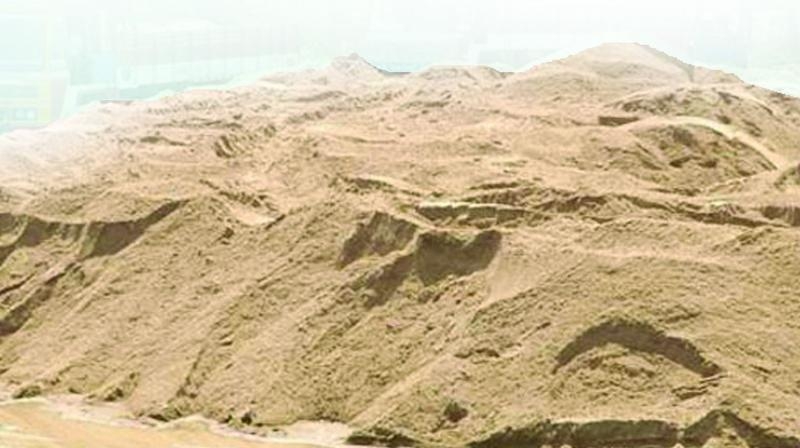
New Sand Mining Policy-2017 in implementation
Bhopal: A revenue income of Rs. 4 thousand 281 crore has been received in the state from minerals. An increase of up to 400 percent in the revenue income has been registered during the last 14 years. Revenue income of Rs. 2041 crore from coal, Rs. 363 crore from lime stone, Rs. 39 crore from copper, Rs. 12 crore from bauxite, Rs. 31 crore from manganese, Rs. 17 crore from iron and Rs. 105 crore from other minerals has been received during the year 2017-18.
E-Khanij Portal
| Madhya Pradesh is one of the eight mineral rich states of the country. The rich mineral reserves of the state are main element for industrial and economic development of the state. Mining revenue has always held an important place in the fiscal income of the state. Besides monopoly in diamond production in the country, the state holds first position in copper and manganese production. Similarly, the state holds second and fourth position in the country in rock phosphate and lime stone besides coal production respectively. |
E-registration for mineral transport vehicles has been made mandatory to put an effective end to illegal mining, transportation and storage. Besides this, arrangement has been made to stop illegal mineral activities by online vehicle tracking system. Along with geo fencing of all the mines of the state, all the work procedures of the mining department are being made online.
Sand Mining Policy
| Chiefly, the goun khanij i.e. sand is mined mainly from Narmada, Betwa, Sindh, Chambal, Chhoti Mahanadi, Son, Sunar and other rivers. Sand is used mainly in construction works. |
Responsibility to complete the formalities related to pre mining plan and environment permission has been entrusted to the concerned district collectors. Moreover, a provision has been made in the new policy that 50 percent of the income earned from the sand mines will be received by panchayat or urban body. The remaining 50 percent amount will be spent on environment and river conservation.-Window To News


